Photos Show Women Marking International Women’s Day: Global Marches and Demonstrations Highlight Gender Equality Efforts
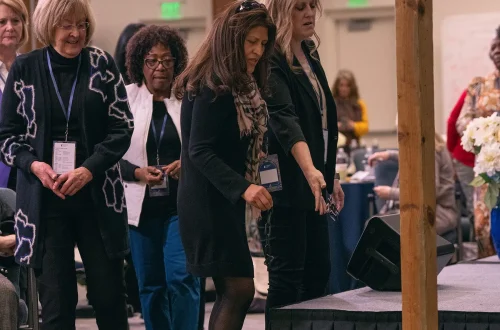
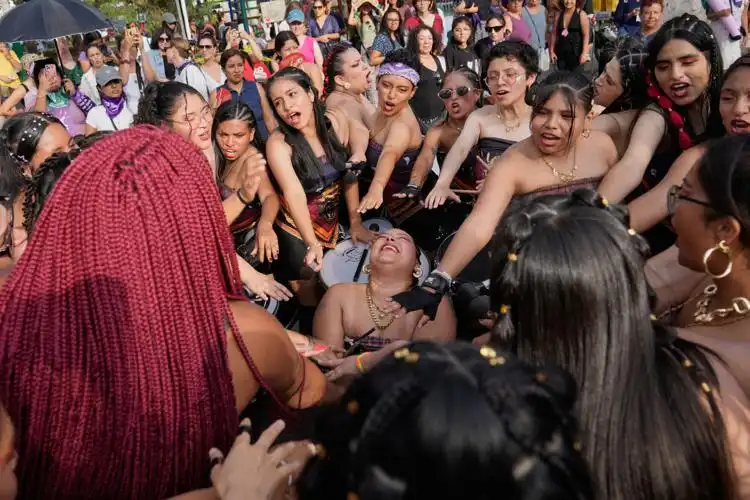
On Sunday, women across the globe came together to mark International Women’s Day, taking part in marches, demonstrations, and community events aimed at promoting gender equality, women’s rights, and empowerment. From major cities in Europe and North America to smaller towns in Asia and Africa, photographs from these events showcase the energy, diversity, and determination of women committed to advancing their voices on a global stage.
International Women’s Day, celebrated every March 8, has long been a platform for advocating equal rights, raising awareness about gender-based issues, and celebrating women’s contributions to society. This year’s gatherings highlighted persistent challenges, including gender inequality, workplace discrimination, and barriers to education, while also celebrating the strides made by women in leadership, business, politics, and social activism.
Global Marches and Demonstrations
Across continents, women organized rallies and demonstrations to draw attention to gender equality issues. In cities like New York, London, Paris, and Tokyo, crowds of women—and men—filled streets with banners, slogans, and symbolic colors such as purple, green, and white, traditionally associated with the fight for women’s rights.
Some of the central messages featured in the marches included:
- Equal pay and workplace equality: Highlighting the persistent gender wage gap across industries.
- Access to education: Advocating for girls’ education in countries where cultural or economic barriers persist.
- Ending gender-based violence: Raising awareness about domestic violence, harassment, and sexual abuse.
- Women in leadership: Encouraging governments and organizations to increase female representation in decision-making roles.
Photographs from these events illustrate a broad spectrum of participants—from young students and professionals to community leaders and activists—all unified under the banner of gender equality.
Regional Highlights
North America
In New York City, thousands of participants marched through Manhattan, holding signs with messages like “Equal Pay Now” and “Empowered Women Empower the World.” Local organizations coordinated speeches, workshops, and performances to engage communities in discussions about women’s rights.
In Toronto, Canada, women gathered at public squares and cultural centers, emphasizing the importance of immigrant women’s voices and supporting initiatives to address systemic discrimination.
Europe
In London, women demonstrated outside the Houses of Parliament, advocating for policy reforms related to gender equality, maternity leave, and protection against harassment in workplaces. In Paris, the marches combined art, performance, and street demonstrations, celebrating women’s achievements in culture, science, and politics.
Asia
In cities such as New Delhi and Tokyo, International Women’s Day was marked by a combination of marches and community workshops. Activists highlighted ongoing challenges, such as unequal access to education and underrepresentation in leadership positions, while promoting local initiatives that empower women at grassroots levels.
Africa
Women in Nairobi, Kenya, and Cape Town, South Africa organized rallies and panel discussions focusing on economic empowerment and leadership training. These events also celebrated women who have made significant contributions to society, emphasizing the importance of mentorship and community support.
The Role of Photography in Capturing the Movement
Photographs from International Women’s Day play a crucial role in documenting the global movement for gender equality. They serve as both historical records and tools for advocacy, capturing:
- The scale of participation and diversity of attendees.
- The emotional intensity, from solidarity and joy to determination and resilience.
- Visual storytelling, showing both the challenges faced by women and the progress made.
Many media outlets and social platforms highlighted these images, spreading awareness to audiences who may not have been able to attend events in person. These photos also inspire continued advocacy and participation, particularly among younger generations of women.
Themes Highlighted on International Women’s Day
While each march and event had its local focus, several overarching themes emerged:
- Gender Equality: Ensuring equal opportunities in education, employment, and leadership roles.
- Ending Violence Against Women: Advocating for stronger protections, reporting mechanisms, and awareness campaigns.
- Economic Empowerment: Supporting women entrepreneurs, fair wages, and access to financial resources.
- Representation and Leadership: Encouraging women to hold influential roles in government, corporations, and NGOs.
- Intersectionality: Recognizing the diverse experiences of women, including those affected by race, religion, disability, or socio-economic status.
These themes reflect the continued relevance of International Women’s Day as a platform for advocacy, discussion, and celebration.
The Impact of Collective Action
Large-scale demonstrations such as these demonstrate the power of collective action. When women and allies unite, they amplify their voices, creating pressure for policy changes, social reforms, and community initiatives.
Recent studies show that countries with higher participation in gender equality advocacy often see:
- Improvements in workplace policies, such as parental leave and flexible work hours.
- Increased female representation in politics and corporate leadership.
- Greater public awareness and cultural acceptance of women’s rights.
International Women’s Day is a reminder that collective action, whether through marches, social media campaigns, or community workshops, remains a vital tool for progress.
Celebrating Achievements While Addressing Challenges
The day serves a dual purpose: celebrating achievements and acknowledging ongoing struggles. For example:
- Education: Globally, more girls are attending school than ever before, but barriers remain in some regions due to poverty, cultural restrictions, and conflict.
- Workplace Equality: Women have increasingly entered professional and leadership roles, yet pay gaps and discrimination persist.
- Social Influence: Women’s voices in media, politics, and activism are more prominent, yet systemic challenges continue to limit full participation.
International Women’s Day brings these issues into the spotlight, inspiring communities to continue advocating for change while celebrating the progress achieved.
How Communities Can Get Involved
Even if one cannot attend a physical march, there are many ways to engage and support women’s empowerment:
- Social Media Campaigns: Share stories of inspiring women, use hashtags to raise awareness, and participate in online discussions.
- Support Women-Led Businesses: Purchase from women entrepreneurs and promote their work.
- Volunteer: Join organizations that support education, mentorship, or advocacy for women and girls.
- Educational Initiatives: Attend workshops, webinars, or lectures focused on gender equality and women’s leadership.
- Mentorship Programs: Support young women in professional or educational growth through guidance and networking.
By participating in these activities, communities reinforce the goals of International Women’s Day beyond a single day of marches.
Looking Ahead: The Future of Women’s Advocacy
International Women’s Day is not just a celebration—it is a movement that grows stronger each year. As global awareness increases, there is hope for:
- Increased representation of women in decision-making roles worldwide.
- Greater access to quality education for all girls, regardless of geographic or socio-economic background.
- Elimination of discriminatory practices in workplaces and communities.
- Stronger legal protections against gender-based violence.
By continuing to participate, support, and advocate, women and allies contribute to building a more equitable and inclusive world.
Conclusion
Photos from International Women’s Day provide a compelling visual record of women coming together to celebrate achievements, raise awareness, and demand equality. From marches in major cities to grassroots workshops in local communities, women’s voices and actions continue to drive meaningful social change.
While challenges remain, the collective energy of these demonstrations reminds the world that progress is possible when communities unite. As the movement continues to grow, International Women’s Day remains a powerful reminder that women’s rights are human rights, and the fight for equality benefits all of societ
Citations & References
- Photos show women marking International Women’s Day — This article from The Associated Press highlights women around the world taking part in marches and demonstrations on March 8, 2026, underscoring ongoing efforts to combat discrimination and promote gender equality.
https://www.wral.com/news/ap/b435f-photos-show-women-marking-international-women-s-day/ - Photos show women marking International Women’s Day — A gallery from The Journal featuring powerful images of women from diverse countries participating in rallies for gender parity.
https://www.the-journal.com/articles/photos-show-women-marking-international-womens-day/ - Photos show women marking International Women’s Day — The Independent also covers the global demonstrations with photos capturing women marching in multiple cities.
https://www.independent.co.uk/news/photos-show-women-marking-international-womens-day-b2934267.html - Celebrations and protests in the US and around the world mark International Women’s Day — Although from 2025, The Guardian article shows how International Women’s Day rallies have long encouraged discussions on ending inequality and gender-based violence — providing contextual insight into the ongoing global movement.
https://www.theguardian.com/world/2025/mar/08/international-womens-day-observed


You May Also Like
Women in Peacemaking: A Necessary Component for Lasting Peace

From Boardrooms to Ballots: Celebrating the Unstoppable Rise of Women in News and Leadership