Holy See on Surrogacy: Always Protect Women and Children
The Holy See, through its official representatives and global forums, has reaffirmed a firm stance on surrogacy, emphasizing the need to protect women and children from exploitation and uphold their inherent dignity. According to Vatican officials, surrogacy is not a neutral medical choice but can often involve violence, commodification, and human trafficking‑like dynamics—issues the Church believes must be addressed through global cooperation, law, and moral clarity.
This article explores the Holy See’s position on surrogacy, the theological and ethical foundations of its teachings, the actions it has taken in international settings, and what proponents and critics say about this deeply contested issue.
Theological and Ethical Foundations of the Holy See’s Position
The Holy See’s opposition to surrogacy is rooted in Catholic teaching on human dignity, which holds that life is sacred from conception and that persons must never be reduced to objects or commodities. According to this worldview:
- Human dignity comes from being willed and loved by God, not from market value or contract terms.
- Children should be welcomed as gifts of life, not the result of negotiated terms or contractual demands.
- Women must not be exploited through socio‑economic pressures that turn their reproductive capacities into services for remuneration.
Vatican statements have made clear that surrogacy—especially in its commercialized form—turns both women and children into “objects of transaction,” a direct violation of their inherent worth.
Surrogacy as Commodification and Exploitation
Holy See representatives have repeatedly highlighted concerns that surrogacy, particularly in its commercial forms, exploits vulnerable women and commodifies children. The tensions arise particularly when financial incentives exist:
- Women in economically precarious circumstances may feel pressured to become surrogates not out of choice but necessity.
- Contracts may include clauses about desired traits in a child, possible outcomes, or payments contingent on health results—language more akin to buying and selling a product than welcoming human life.
- Disconnected commercial arrangements can disrupt the natural bond between a mother and her child, fragmenting fundamental family relationships.
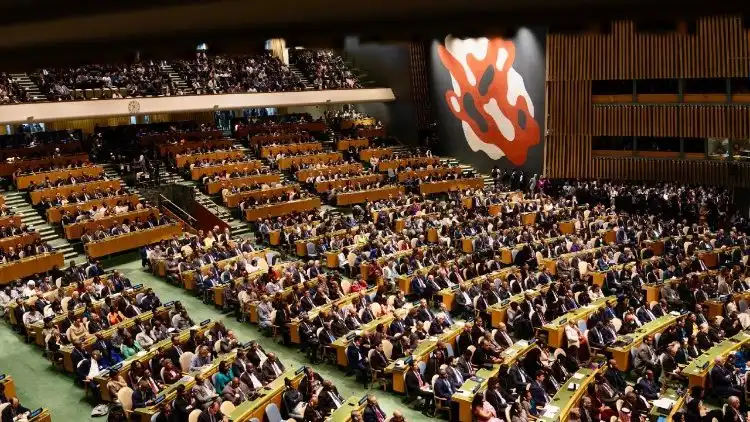
At a panel event hosted by the Holy See at the United Nations in Geneva, officials encouraged global dialogue and international action against the exploitation linked to surrogacy. That event urged common legal frameworks and heightened protections for women and children, emphasizing that exploitation can cross national borders and regulatory gaps.
Calls for a Universal Ban and Legal Safeguards
Pope Francis himself has called surrogacy “deplorable” and urged the international community to consider banning it globally, arguing that the practice inherently undermines human dignity by turning life into a transactional process. He has described surrogacy as a “grave violation of the dignity of the woman and the child,” especially when driven by material need.
The Holy See and its diplomats have also emphasized the need for international cooperation:
- Requests for laws that explicitly criminalize commercial surrogacy.
- Calls for community and civil society engagement to build broader consensus against exploitation.
- Requests for policymakers to prioritize support for families and women so that no one feels forced by economic circumstances into surrogacy.
A Vatican official also pointed out that surrogacy fits the U.N. Optional Protocol definition of the sale of children, and therefore is rightfully subject to prohibition and international law enforcement, further aligning Church teaching with existing global standards against trafficking and commodification.
Protection of Women and Children: Practical Concerns
The Holy See’s critique of surrogacy is not merely theoretical—it is rooted in practical concerns about human rights and social welfare:
1. Protection Against Exploitation
Many surrogacy agreements involve women from disadvantaged backgrounds whose economic needs may make them vulnerable to exploitation. Church representatives argue that such arrangements contribute to a culture where persons are valued based on utility, not intrinsic worth.
2. Impact on Children
Children born through surrogacy agreements may be seen as the result of contractual obligations rather than as gifts of life. According to the Holy See, this framing neglects the child’s right to an origin that respects human dignity and family bonds.
3. Family and Social Well‑Being
The Holy See emphasizes that preventing exploitation through surrogacy is part of a broader effort to support families and protect the most vulnerable. It argues for policies that affirm family stability, parental rights, and shared responsibility for child welfare over market‑based reproductive services.
Holy See Actions and International Engagement
The Holy See has moved beyond doctrinal statements to active engagement in international fora:
- Hosted panels at the United Nations to raise awareness about exploitation in surrogacy.
- Advocated for international norms that protect women and children from commodification.
- Collaborated with diplomats and civil society advocates to build consensus on legal responses.
These efforts reflect a broader Vatican strategy to influence global policy and shape international understandings of human dignity, life ethics, and family protection, especially in a rapidly changing socio‑legal world.
Responses and Critiques
The Holy See’s stance on surrogacy has sparked discussion and debate:
- Supporters argue that emphasizing dignity and protection is essential, especially when commercialized surrogacy risks exploiting vulnerable women.
- Critics contend that in rare circumstances—such as medical impossibility of pregnancy—altruistic surrogacy can be life‑affirming and empowering for women who choose it freely.
These debates highlight the tension between universal moral principles and the diverse lived experiences of families, individuals with infertility, and socio‑economic realities around the world.
Conclusion
The Holy See’s position on surrogacy is rooted in a profound respect for the dignity of women and children, calling for global action to protect them against exploitation and commodification. Whether through doctrinal declarations, international advocacy, or calls for universal bans, the Vatican seeks to underscore that life and relational bonds cannot be reduced to contracts or market logic.
As conversations about reproductive rights, medical technologies, and family formation continue to evolve globally, the Holy See’s perspective remains a significant moral voice urging that ethical principles and the protection of the vulnerable remain central to public policy.
Citation and References
You can copy these links directly:
- https://www.vaticannews.va/en/vatican-city/news/2024-06/holy-see-organizes-meeting-focusing-on-the-abolition-surrogacy.html
- https://www.catholicnewsagency.com/news/258045/vatican-convenes-un-panel-urging-global-abolition-of-surrogacy
- https://www.hollywoodreporter.com
- https://www.reuters.com
- https://www.pna.gov.ph/index.php/articles/1216587
- https://en.wikipedia.org/wiki/Surrogacy_controversies
- https://www.usccb.org/news/2024/vatican-says-abortion-surrogacy-war-poverty-are-attacks-human-dignity


You May Also Like

Women in Peacemaking: A Necessary Component for Lasting Peace

Serena Williams’ Wimbledon Comeback: The Legendary Champion Returns for Another Historic Chapter