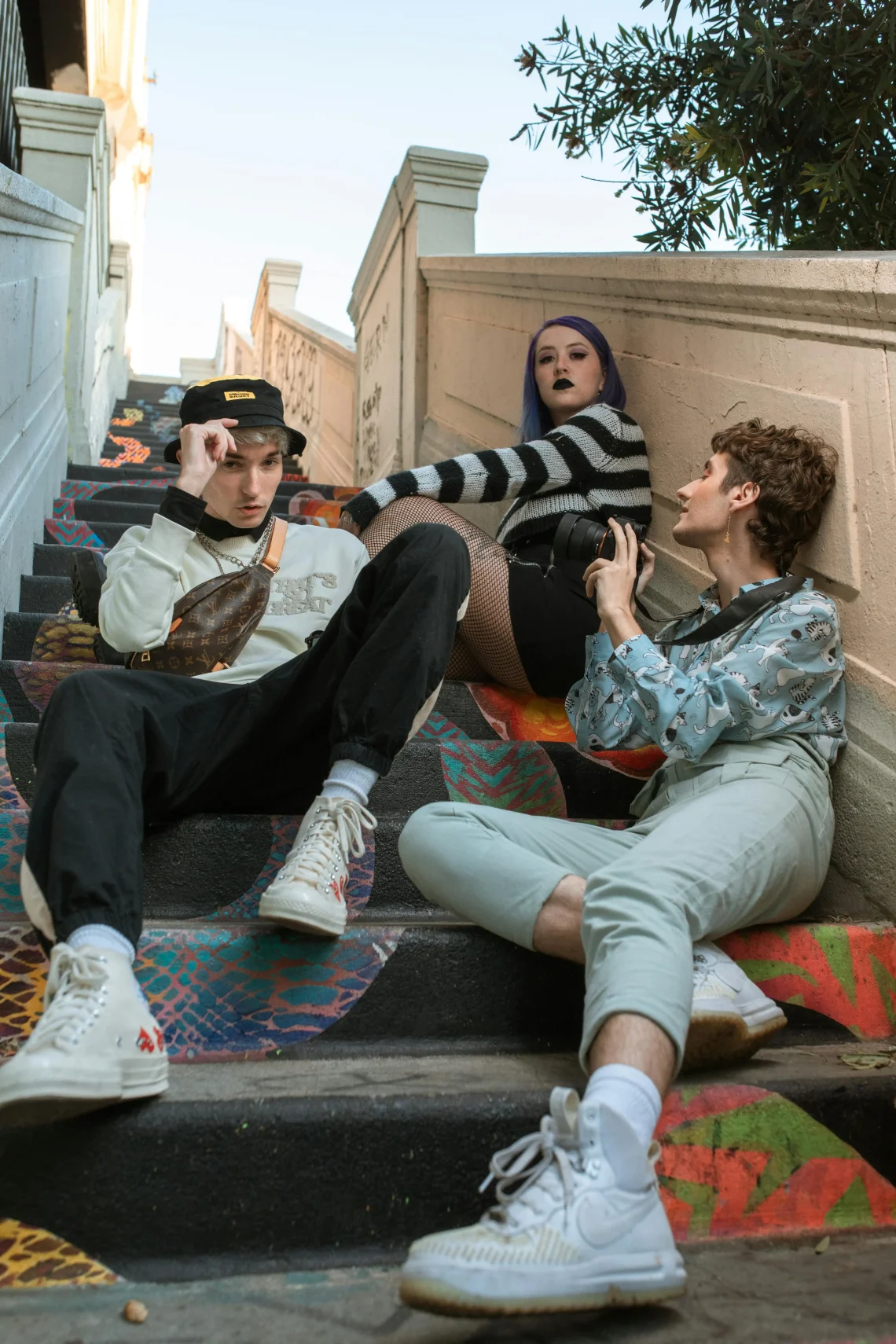
Gen Z Streetwear Trends: Oversized Fits, Sneakers, and Bold Expression
Introduction: Why Gen Z Is Redefining Streetwear Culture
Gen Z has completely reshaped the fashion landscape, especially in streetwear. Unlike previous generations that often followed seasonal fashion rules dictated by luxury houses or traditional retail cycles, Gen Z approaches style as a form of self-expression, identity, and digital storytelling. Streetwear is no longer just casual clothing—it is now a cultural language influenced by social media, music, gaming, and online communities.
In 2026, Gen Z streetwear trends continue to evolve rapidly, driven by TikTok micro-trends, Instagram aesthetics, and the growing rejection of fast fashion uniformity. Oversized silhouettes, sneaker culture, thrifted fits, and experimental layering define the modern Gen Z wardrobe.
This article explores the biggest Gen Z streetwear trends, why they matter, and how they continue to influence global fashion.
The Foundation of Gen Z Streetwear Culture
Streetwear originally emerged from skate, hip-hop, and urban culture, but Gen Z has expanded its meaning. Today, it represents a hybrid of comfort, creativity, and digital identity.
Unlike older fashion consumers who prioritize brand loyalty, Gen Z prioritizes:
- Individual expression over brand status
- Comfort and versatility over formality
- Sustainability and thrifting over fast fashion waste
- Viral aesthetics over seasonal collections
This shift has forced even luxury brands to adapt streetwear-inspired collections.
Gen Z also consumes fashion differently. Instead of magazines, they rely on TikTok outfit inspiration, Pinterest boards, and influencer styling videos. A single viral outfit can now shape global trends in days.
Oversized Fits: Comfort Meets Confidence
One of the most defining Gen Z streetwear trends is the dominance of oversized clothing. Baggy jeans, oversized hoodies, and loose-fit tees are everywhere.
This trend is not just about comfort—it reflects a deeper cultural shift:
- Rejecting restrictive beauty standards
- Prioritizing gender-neutral fashion
- Embracing relaxed, effortless styling
Oversized silhouettes also allow for layering, which has become a key styling technique among Gen Z fashion enthusiasts. Hoodies under jackets, wide-leg pants paired with fitted tops, and exaggerated proportions are all part of the aesthetic.
Brands like Nike and Adidas have heavily adopted oversized cuts in their streetwear collections, reflecting Gen Z demand for relaxed silhouettes that still feel stylish and intentional.
Sneaker Culture: The Heart of Streetwear Identity
Sneakers remain the most important piece of Gen Z streetwear fashion. For Gen Z, sneakers are not just footwear—they are collectible items, status symbols, and storytelling pieces.
Limited drops, collaborations, and resale markets drive sneaker hype culture. Social media unboxings and “on-feet” videos fuel demand for exclusive releases.
Popular sneaker styling trends include:
- Chunky “dad shoes” paired with minimal outfits
- Retro basketball sneakers styled with cargo pants
- Clean white sneakers for minimalist aesthetics
- Bold colorways that stand out in street photography
One of the most influential sneaker brands in this space is Nike, especially through collaborations and limited releases. Meanwhile, Adidas continues to dominate the lifestyle sneaker market with retro and sporty designs.
Sneakers also serve as a bridge between streetwear and high fashion, often appearing in runway shows and designer collaborations.
Y2K Revival: Nostalgia Meets Modern Streetwear
The Y2K fashion revival is one of the strongest influences on Gen Z streetwear. Inspired by the early 2000s, this trend includes:
- Low-rise jeans
- Baby tees
- Metallic fabrics
- Bold graphics
- Bright color palettes
Gen Z embraces Y2K fashion not just for its aesthetic but for its nostalgic digital-era vibe. It reflects a fascination with early internet culture, pop icons, and retro futurism.
On platforms like TikTok, Y2K outfits are constantly reinterpreted with modern twists—pairing vintage pieces with oversized jackets or futuristic accessories.
Streetwear brands like Supreme have also incorporated Y2K-inspired graphics and bold logo placements, aligning with Gen Z’s love for expressive branding.
Thrifting and Sustainable Streetwear Choices
Sustainability plays a major role in Gen Z fashion decisions. Unlike previous generations, Gen Z is highly aware of the environmental impact of fast fashion.
Thrifting and second-hand shopping have become mainstream streetwear habits. Platforms like thrift stores, vintage shops, and online resale marketplaces allow Gen Z to create unique outfits at lower costs.
Key reasons Gen Z prefers thrifting:
- Affordability
- Sustainability concerns
- Unique one-of-a-kind pieces
- Creative freedom in styling
This shift has also influenced mainstream fashion brands to adopt recycled materials and circular fashion models.
Streetwear, once dominated by mass production, is now becoming more individualized and eco-conscious.
TikTok and the Speed of Fashion Trends
TikTok is arguably the most powerful driver of Gen Z streetwear trends. Unlike traditional fashion cycles that take months, TikTok trends can emerge overnight.
A single viral video can introduce:
- A new styling technique
- A forgotten vintage piece
- A niche aesthetic (like “clean girl,” “gorpcore,” or “blokecore”)
Gen Z users actively remix these aesthetics, creating hybrid styles that evolve continuously.
The algorithm also encourages experimentation. Users are exposed to diverse fashion ideas daily, making streetwear more fluid and less rigid than ever before.
Gender-Neutral Fashion in Streetwear
Another major shift in Gen Z streetwear is the rise of gender-neutral fashion. Clothing is increasingly designed to be unisex, breaking away from traditional gender categories.
Oversized silhouettes play a major role here, as they naturally fit a wide range of body types. Many Gen Z consumers prefer shopping in “unisex” or “neutral” sections rather than gendered categories.
This movement has helped streetwear become more inclusive, accessible, and expressive.
Graphic Tees and Visual Storytelling
Graphic t-shirts remain a staple in Gen Z streetwear. However, they are no longer just branded merchandise—they have become tools for storytelling.
Common graphic tee themes include:
- Pop culture references
- Internet memes
- Retro graphics
- Social and political messages
- Abstract digital art
Each outfit becomes a visual statement, allowing Gen Z to communicate identity and interests instantly.
Layering as a Core Styling Technique
Layering is one of the most creative aspects of Gen Z streetwear. It allows individuals to experiment with textures, proportions, and aesthetics.
Popular layering combinations include:
- Hoodies under denim jackets
- Long sleeves under graphic tees
- Vests over oversized shirts
- Multiple chains and accessories
Layering adds depth to outfits and allows Gen Z to adapt styles across seasons without needing entirely new wardrobes.
The Influence of Music and Pop Culture
Music heavily influences Gen Z streetwear. Hip-hop, K-pop, indie, and hyperpop artists often set fashion trends through their personal style.
Artists become fashion icons, and their outfits are quickly replicated by fans online. Concert outfits are also a major part of streetwear culture, where self-expression is amplified through bold styling choices.
Pop culture collaborations between artists and brands further strengthen this relationship between music and fashion.
Conclusion: The Future of Gen Z Streetwear
Gen Z streetwear is not just a fashion trend—it is a cultural movement shaped by technology, identity, and self-expression. From oversized silhouettes and sneaker culture to thrifting and TikTok-driven aesthetics, Gen Z continues to redefine what streetwear means in the modern era.
Unlike past generations, Gen Z does not follow fashion rules—they create them in real time. As digital culture continues to evolve, streetwear will likely become even more fluid, personalized, and globally connected.
One thing is clear: Gen Z is not just wearing fashion—they are actively shaping its future.


You May Also Like
How Leather Jackets Became the Coolest Piece in Modern Fashion
Beyond the Runway: How Women Are Redefining Beauty Standards