How Leather Jackets Became the Coolest Piece in Modern Fashion
Few fashion items have managed to stay relevant across generations the way the leather jacket has. What began as a functional piece of outerwear designed for protection has transformed into one of the most iconic and versatile staples in modern fashion. Today, leather jackets are no longer limited to bikers or rebels—they are worn by celebrities, influencers, designers, and everyday people who want to add effortless edge to their style.
Fashion experts often describe the leather jacket as the “cool factor” piece of any wardrobe. It has the rare ability to instantly elevate an outfit, adding attitude, confidence, and structure. But how did this transformation happen? How did a rugged utility item become a global fashion essential?
This article explores the evolution of the leather jacket, its cultural significance, and why it continues to dominate modern fashion trends.
The Origins of the Leather Jacket: Function Before Fashion
The leather jacket did not start as a fashion statement. Its earliest purpose was practical. In the early 20th century, leather jackets were designed for military pilots and motorcyclists who needed protection from wind, cold temperatures, and potential injuries.
One of the earliest known versions was the bomber jacket, used by pilots during World War I and World War II. These jackets were thick, durable, and insulated, making them essential for survival in harsh conditions at high altitudes.
At the same time, motorcyclists began wearing leather jackets for similar reasons. Leather provided abrasion resistance, which helped protect riders in case of accidents. Brands such as Schott NYC played a major role in popularizing motorcycle jackets, particularly the iconic Perfecto jacket, which later became a symbol of rebellion.
At this stage, the leather jacket was not associated with fashion at all. It was purely functional—built for durability, not aesthetics.
Hollywood Changes Everything: The Rise of the Rebel Image
The transformation of the leather jacket into a fashion icon began in Hollywood during the mid-20th century. Movies played a huge role in shaping cultural perceptions of style, and the leather jacket became a powerful visual symbol of rebellion.
Actors like Marlon Brando in The Wild One and James Dean in Rebel Without a Cause wore leather jackets that instantly became iconic. These characters represented youth rebellion, independence, and nonconformity.
Suddenly, the leather jacket was no longer just protective gear—it was a statement of identity. It represented a break from traditional norms and an embrace of individuality.
This cultural shift is one of the main reasons the leather jacket still carries an “edgy” reputation today. Even modern styling often leans into this rebellious energy, whether intentional or not.
The 70s and 80s: Music, Subcultures, and Identity
By the 1970s and 1980s, leather jackets had fully entered the world of subcultures. Punk rock, heavy metal, and rock ‘n’ roll communities embraced leather as a symbol of defiance.
Bands and musicians wore heavily customized leather jackets with studs, patches, and paint, turning them into wearable expressions of identity. The jacket became a canvas for personal and political statements.
During this time, leather jackets were no longer just about rebellion in film—they became part of real-life cultural movements.
In women’s fashion, leather jackets also began to evolve. They were no longer exclusively masculine. Female artists and performers started wearing them on stage, pairing them with bold makeup, denim, and statement accessories.
This period marked the beginning of the leather jacket’s transition into mainstream fashion.
The 90s and Early 2000s: From Edge to Everyday Wear
In the 1990s and early 2000s, leather jackets became more widely accepted in everyday fashion. Designers began experimenting with different cuts, colors, and fits, making them more versatile and accessible.
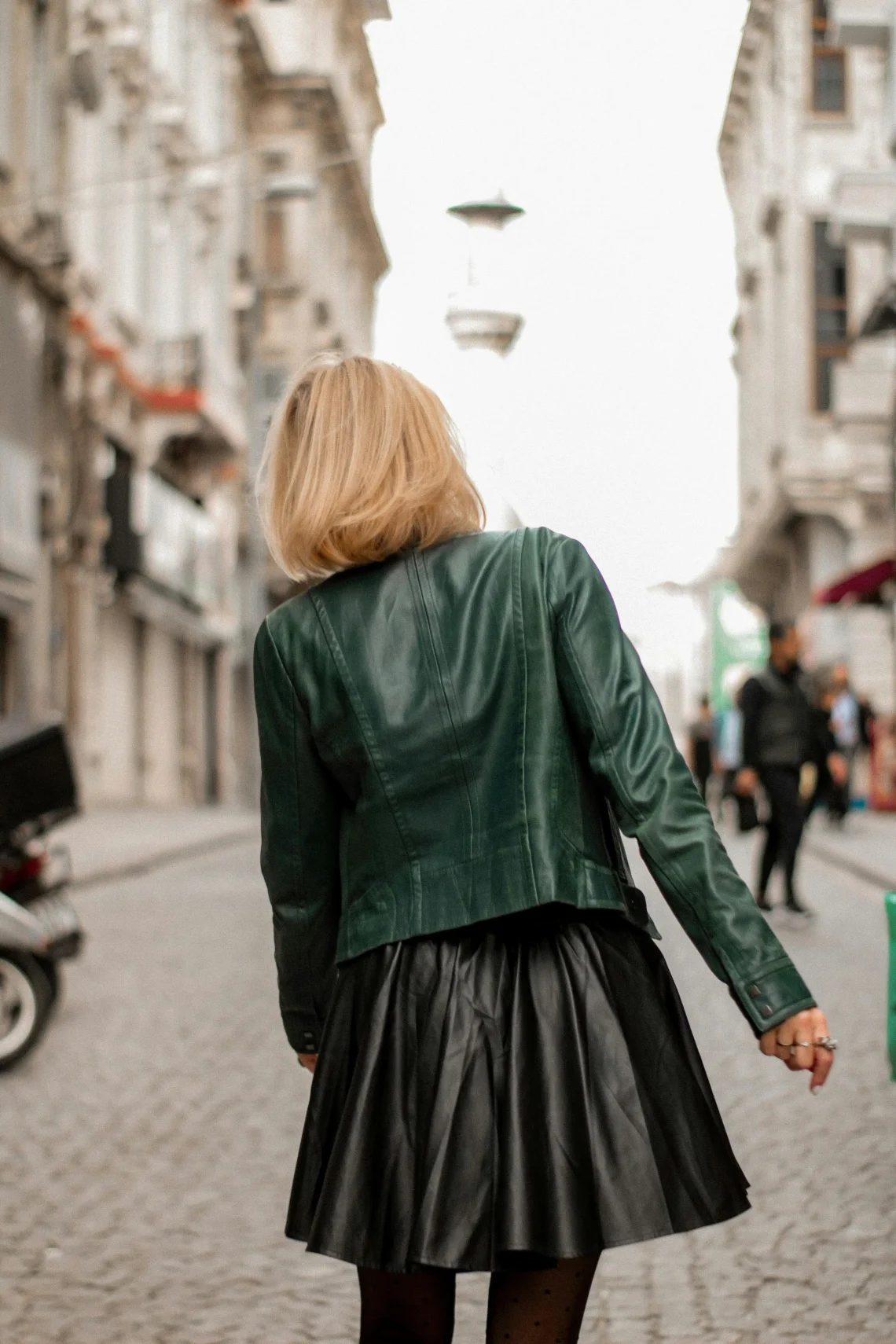
Instead of just black biker jackets, consumers saw cropped styles, fitted silhouettes, and even colored leather options like brown, red, and white.
Pop culture also played a major role. Celebrities and TV characters regularly wore leather jackets, making them more relatable and wearable for the average person.
During this era, leather jackets shifted from “statement piece only” to “wardrobe essential.” They could now be styled casually with jeans or dressed up for a night out.
Why Leather Jackets Became a Modern Fashion Staple
Today, leather jackets are considered one of the most timeless pieces in fashion. Their popularity is not based on trends alone, but on versatility, identity, and emotional appeal.
One of the main reasons they remain relevant is their ability to adapt. Whether fashion trends lean toward minimalism, streetwear, or luxury aesthetics, leather jackets fit in seamlessly.
They also offer instant structure to any outfit. A simple combination of jeans and a t-shirt can look polished and intentional when paired with a leather jacket.
Fashion experts often highlight three key qualities that make leather jackets timeless: durability, adaptability, and emotional association. They last for years, match almost anything, and carry cultural meaning.
The Influence of High Fashion and Luxury Brands
Luxury fashion houses have played a major role in keeping leather jackets relevant. Designers continuously reinterpret them in new ways, blending traditional craftsmanship with modern silhouettes.
Brands like Saint Laurent have become especially known for their sleek, rock-inspired leather jackets that reflect Parisian edge and elegance. These designs often feature slim cuts, premium materials, and minimalist detailing.
Other luxury houses have experimented with oversized silhouettes, textured leather, and unconventional colors, pushing the boundaries of what a leather jacket can be.
This constant reinvention ensures that leather jackets remain part of high fashion while still being accessible in streetwear and fast fashion markets.
Leather Jackets in Street Style Culture
Street style has also played a major role in the continued popularity of leather jackets. Influencers and everyday fashion enthusiasts often use leather jackets as a base piece for layered, expressive outfits.
In streetwear, leather jackets are often paired with sneakers, hoodies, and relaxed-fit jeans. This combination creates a balance between rugged and casual aesthetics.
Oversized leather jackets are particularly popular in modern styling. They offer a relaxed, effortless look that feels contemporary and comfortable.
Social media platforms have amplified this trend, making leather jackets a staple in outfit inspiration posts and fashion content worldwide.
Why Leather Jackets Work Across All Seasons
One of the reasons leather jackets remain so popular is their seasonal versatility. Unlike heavy winter coats or light summer layers, leather jackets work across multiple climates.
In cooler months, they provide warmth and protection. In transitional seasons like spring and fall, they act as the perfect outer layer. Even in summer evenings, lightweight leather jackets can complete an outfit without feeling too heavy.
This adaptability makes them a practical investment piece, not just a fashion statement.
The Psychology of Wearing Leather Jackets
Fashion is not just about appearance—it is also about how clothing makes people feel. Leather jackets are often associated with confidence, independence, and strength.
Wearing a leather jacket can change posture, attitude, and even social perception. It creates an impression of confidence and control, which is why it remains popular in both casual and professional creative environments.
The material itself also plays a psychological role. Leather has a strong tactile presence, which adds to its sense of luxury and durability.
Modern Variations of the Leather Jacket
Today’s leather jackets come in many variations beyond the traditional biker style.
Cropped leather jackets are popular in women’s fashion, offering a more feminine silhouette. Oversized versions are trending in streetwear. Faux leather options have also gained popularity due to ethical and affordability considerations.
Color variations have expanded as well. While black remains classic, brown, beige, cream, and even bold colors are now widely available.
This diversity ensures that there is a leather jacket style for almost every personality and fashion preference.
Sustainability and the Future of Leather Jackets
As fashion becomes more sustainability-focused, leather jackets are also evolving. Many brands are investing in eco-friendly leather alternatives and ethical production methods.
Faux leather and plant-based leather materials are becoming more common, offering similar aesthetics without traditional environmental concerns.
At the same time, high-quality real leather jackets remain valued for their durability and longevity. A well-made leather jacket can last for years, reducing the need for frequent replacements.
This balance between tradition and innovation will likely define the future of leather jackets in fashion.
Why Leather Jackets Will Never Go Out of Style
Unlike trend-based items that fade quickly, leather jackets have remained relevant for decades because they are more than just clothing—they are cultural symbols.
They represent rebellion, confidence, style, and individuality. They adapt to changing fashion eras without losing their identity.
Whether worn by celebrities on red carpets, influencers on social media, or everyday people in casual outfits, leather jackets continue to deliver the same message: effortless cool.
Final Thoughts
The journey of the leather jacket from functional outerwear to fashion icon is a reflection of how style evolves over time. What started as protective gear for pilots and motorcyclists has become one of the most recognizable and versatile pieces in modern fashion.
Fashion experts agree that the leather jacket remains the “coolest” item in any wardrobe because it combines history, attitude, and adaptability in one piece.
As trends continue to change, the leather jacket remains constant—a timeless symbol of confidence and individuality that continues to define modern fashion.


You May Also Like
From Runway to Real Life: How 2026 Fashion Trends Are Shaping Everyday Style
I Thought I Was the Only Woman in My Husband’s Life… Until His Mistress Posted Our Wedding Photo Online