The Hello Girls Finally Receive Recognition: The Forgotten Women Who Served in World War I
Introduction
Throughout history, women have played essential roles in moments of national crisis, yet many of their contributions were overlooked or forgotten for generations. One of the most remarkable examples comes from World War I, when hundreds of women answered a call to serve their country in a role that challenged traditional ideas about women and the military. Known as the Hello Girls, these women became some of America’s earliest female military personnel, helping connect critical communications between American forces during one of the most challenging conflicts in history.
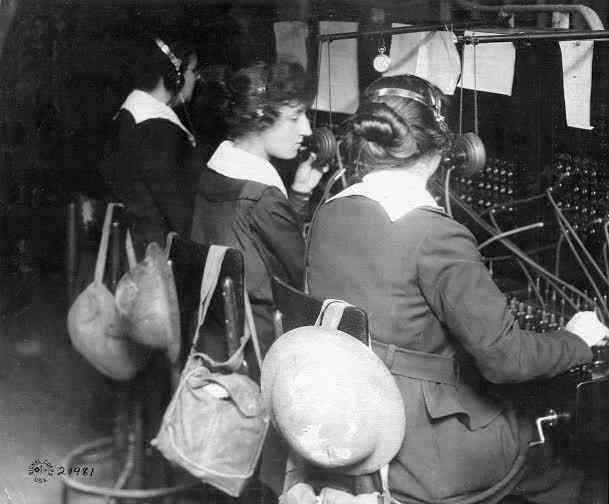
The Hello Girls were members of the U.S. Army Signal Corps who served as telephone operators during World War I. Stationed primarily in France, they connected military communications that allowed commanders, soldiers, and government officials to coordinate operations more effectively. Their language skills, technical abilities, and dedication made them an important part of America’s war effort.
Despite their contributions, the Hello Girls faced a long battle for recognition after returning home. Unlike male soldiers who automatically received veteran benefits, these women were initially denied official military status because they were classified as civilian employees rather than soldiers. For decades, they fought to have their service acknowledged and their sacrifices remembered.
Their story represents more than a forgotten chapter of military history. It reflects the broader struggle women have faced in gaining recognition for their achievements, especially in fields traditionally dominated by men. The journey of the Hello Girls demonstrates courage, perseverance, and the importance of preserving women’s contributions to history.
Today, the Hello Girls are finally recognized as pioneers who helped transform the role of women in the U.S. military and paved the way for future generations of women who would serve in uniform.
Who Were the Hello Girls?
The Hello Girls were a group of approximately 200 women recruited by the United States Army Signal Corps during World War I. Their official title was Signal Corps Female Telephone Operators, but they became popularly known as the Hello Girls because of their work operating telephone switchboards.
Before their recruitment, the U.S. military faced a significant communication challenge. As American forces expanded their involvement in World War I, the need for fast and reliable communication became increasingly important. Military operations depended heavily on telephone systems, but there were not enough skilled operators available to manage the complex network required by the Army.
Many existing military telephone operators were men who were needed for combat roles and other essential duties. The Army began searching for individuals who had the technical skills and language abilities necessary to manage military communications. Women, particularly those with experience operating telephone systems, became an unexpected but highly effective solution.
The women selected for the Signal Corps were not simply office workers. They underwent military-style training and were expected to perform under pressure in challenging wartime conditions. Many spoke both English and French, making them especially valuable because American forces were operating alongside French allies in Europe.
Their work required accuracy, speed, and concentration. A delayed or incorrect message could affect military decisions and operations. The Hello Girls handled thousands of military calls, often working long hours while supporting troops far from home.
Although they served alongside American soldiers and performed duties critical to the war effort, their official status remained complicated. This would later become the foundation of their decades-long struggle for recognition.
How Women Entered Military Service During World War I
When the United States entered World War I in 1917, the country experienced a massive transformation. Millions of men entered military service, creating shortages in many industries and government operations. Women stepped into new roles across society, working in factories, hospitals, transportation, and government positions.
The war created opportunities for women to demonstrate their abilities in areas previously restricted to men. However, these opportunities did not always come with equal recognition or rights. Many women contributed significantly to national efforts but were still viewed as temporary workers rather than full participants in public service.
The Hello Girls represented a major shift because they performed duties directly connected to military operations. Their service challenged the idea that women could only support the military from behind the scenes. They were performing specialized work that directly affected battlefield communication and military strategy.
Their recruitment also reflected changing attitudes about women’s capabilities. The Army recognized that women could provide skills that were essential during wartime. The success of the Hello Girls demonstrated that women could handle technical responsibilities, operate under pressure, and contribute to national defense.
However, cultural attitudes of the early 20th century limited how their contributions were perceived. Although their work was vital, many people still believed military service should remain exclusively a male responsibility. This outdated view would later contribute to the challenges they faced when seeking official recognition.
The Critical Role of the Hello Girls in France
The Hello Girls played a crucial role during the final stages of World War I. Many were sent to France, where they worked near military headquarters and helped manage communication networks connecting American forces with commanders and allied operations.
Their timing was significant. By the time they arrived in Europe, the war had become increasingly dependent on rapid communication. Military leaders needed reliable telephone connections to coordinate troop movements, share intelligence, and make strategic decisions.
The Hello Girls were especially valuable because many military communications involved both English and French speakers. Their language skills allowed them to bridge communication gaps between American and French forces, improving coordination among allies.
Their working conditions were often demanding. They faced long hours, stressful environments, and the uncertainty of wartime conditions. Unlike many civilian employees, they worked close to military operations and experienced the challenges associated with serving during an active conflict.
Despite these difficulties, the Hello Girls performed their duties with professionalism and dedication. Military leaders praised their efficiency and recognized their importance to wartime communication. Their service proved that women could perform essential military functions at a time when many people still questioned women’s roles outside traditional domestic responsibilities.
The success of the Hello Girls became an early example of women demonstrating their ability to serve in military-related positions. Their contributions helped challenge existing expectations and influenced future discussions about women’s participation in the armed forces.
Despite their important contributions during World War I, the Hello Girls returned home to a country that did not fully recognize their service. While male soldiers received official veteran status, military benefits, and public recognition, these women faced a different reality. The government classified them as civilian employees of the Army Signal Corps rather than actual members of the armed forces.
This decision created significant consequences. Because they were not officially considered soldiers, the Hello Girls were denied many benefits given to male veterans, including medical care, recognition certificates, and other forms of military support. For women who had performed essential duties during wartime, the lack of recognition felt like a rejection of their sacrifices.
The issue was partly connected to the legal limitations of the time. During World War I, women were not permitted to officially enlist in many branches of the U.S. military. Although the Hello Girls worked under military command, wore uniforms, followed military rules, and performed duties directly supporting Army operations, existing laws prevented them from receiving the same status as male service members.
After the war ended in 1918, public attention shifted toward rebuilding the country and honoring returning soldiers. The contributions of many women who supported the war effort gradually faded from public memory. While nurses, factory workers, and other female wartime contributors also faced challenges receiving recognition, the Hello Girls experienced a particularly unusual situation because they had performed military communication duties without receiving military status.
For decades, their story remained largely unknown. Many Americans were unaware that women had played such a direct role in military operations during World War I. As future generations of women entered military service, historians and advocates began revisiting forgotten stories like those of the Hello Girls to better understand the long history of women’s contributions to national defense.
Their experience reflected a broader pattern throughout history: women often made significant contributions during times of crisis but had to fight afterward to receive acknowledgment for their achievements.
The Long Fight for Recognition and Veteran Status
The Hello Girls did not simply accept being forgotten. For many years, surviving members and supporters continued advocating for official recognition. Their fight became a powerful example of persistence and the ongoing struggle for equality within military institutions.
The women argued that their service met the definition of military duty. They had worked under the authority of the U.S. Army, supported military operations, and contributed directly to the success of American forces during World War I. From their perspective, the difference between their service and that of male soldiers was based not on their duties but on their gender.
Their campaign gained attention as discussions about women’s rights and equality expanded throughout the 20th century. As more women entered professional fields, politics, and the military, the story of the Hello Girls became increasingly relevant as an example of institutional barriers faced by women.
One of the biggest challenges was that many of the original Hello Girls grew older while waiting for recognition. Some passed away before seeing their service officially acknowledged. However, their supporters continued pushing for legislation that would correct the historical injustice.
After decades of advocacy, Congress finally passed legislation recognizing the Hello Girls as veterans. The recognition represented a major victory not only for the surviving operators but also for the broader movement to acknowledge women’s contributions to American history.
Their recognition was important because it corrected a historical oversight. It showed that military service should be judged based on contribution and commitment rather than outdated assumptions about gender.
The story of the Hello Girls also demonstrates that recognition can sometimes take generations. Many individuals who make history are not immediately celebrated, but their contributions can become more appreciated as society develops a deeper understanding of equality and representation.
How the Hello Girls Changed Women’s Military History
The legacy of the Hello Girls extends far beyond their work as telephone operators. Their service helped challenge traditional ideas about women’s roles in national defense and opened conversations about expanding opportunities for women in the military.
Before World War I, military service was largely viewed as a male responsibility. Women who supported military efforts were often limited to nursing, administrative assistance, or volunteer roles. The Hello Girls demonstrated that women could perform technical, specialized, and mission-critical duties.
Their success helped influence future changes in military policy. During World War II, thousands of women served in various military branches through organizations such as the Women’s Army Auxiliary Corps, Navy WAVES, and other wartime programs. These opportunities were built upon earlier examples of women proving their capabilities during previous conflicts.
The Hello Girls also represented the importance of recognizing non-combat contributions. Military success depends on many different roles, including communication, logistics, intelligence, medical support, and administration. Their story reminds society that service is not limited to those carrying weapons on the battlefield.
Today, women serve in nearly every role within the U.S. military, including leadership positions and combat positions. The progress made over the past century was shaped by generations of women who challenged limitations and demonstrated their abilities.
The Hello Girls were among the earliest examples of women proving that military effectiveness depends on skill and dedication rather than gender. Their achievements helped create a path for future generations of women who wanted to serve their country.
Why the Hello Girls’ Story Still Matters Today
The story of the Hello Girls remains relevant because it reflects ongoing conversations about recognition, equality, and representation. Although women have made significant progress in military and professional fields, the experience of the Hello Girls serves as a reminder that equal opportunities often require persistence and advocacy.
Their story also highlights the importance of preserving women’s history. Many contributions by women throughout history have been overlooked because traditional historical narratives often focused primarily on men. Recovering stories like those of the Hello Girls provides a more complete understanding of how societies have developed.
For younger generations, the Hello Girls represent courage and determination. They entered a male-dominated environment, performed essential duties during wartime, and continued fighting for recognition long after their service ended. Their journey demonstrates that making history is not always about receiving immediate praise; sometimes it is about creating change that benefits those who come later.
Their experience also offers lessons about how institutions recognize service and achievement. The delay in honoring the Hello Girls shows the importance of ensuring that policies and systems fairly acknowledge everyone who contributes, regardless of gender.
In today’s world, where women continue breaking barriers in science, politics, business, technology, and the military, the Hello Girls remain an inspiring example of perseverance. Their story encourages society to recognize the achievements of women not only when they become widely known but also while those contributions are being made.
Final Thoughts
The Hello Girls were pioneers who changed the way America viewed women’s roles in military service. During World War I, these women performed critical communication duties that supported American forces and helped connect soldiers, commanders, and allies during one of history’s most challenging conflicts.
However, their journey did not end when the war ended. For decades, they fought for the recognition they deserved, proving that their service was just as valuable as that of the men they supported. Their eventual recognition corrected a historic injustice and ensured that future generations would remember their contributions.
The story of the Hello Girls is more than a chapter in military history. It is a story about determination, equality, and the importance of acknowledging the achievements of women who helped shape the world.
As discussions about women’s contributions continue today, the legacy of the Hello Girls remains powerful. They showed that women could serve, lead, and succeed in areas once considered impossible. Their voices may have been overlooked for many years, but their impact continues to be remembered.
References
- National Archives – The Hello Girls: World War I Telephone Operators
- U.S. Army Center of Military History
- Library of Congress – Women During World War I
- Smithsonian Magazine – The Hello Girls and Their Fight for Recognition
- U.S. Department of Veterans Affairs – Women Veterans History
- Congress.gov – Legislation Recognizing the Hello Girls


You May Also Like

Serena Williams’ Wimbledon Comeback: The Legendary Champion Returns for Another Historic Chapter

From Boardrooms to Ballots: Celebrating the Unstoppable Rise of Women in News and Leadership