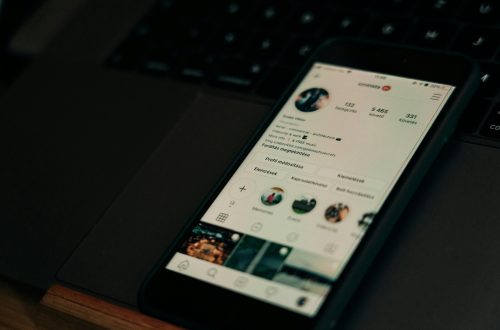
The Digital Battlefield: Navigating Social Media, Online Harassment, and Building Digital Resilience
For today’s girl, the digital world is inextricably woven into the fabric of daily life. Social media platforms like TikTok, Instagram, and YouTube are vibrant spaces for connection, creativity, and self-expression. They offer unprecedented opportunities for learning, community building, and even activism, allowing girls to find their voice and connect with like-minded peers across the globe. However, this omnipresent digital landscape is also a digital battlefield, fraught with unique challenges: the relentless pressure of curated perfection, the insidious creep of online harassment, and the constant threat to mental well-being. Navigating this complex terrain requires more than just tech savviness; it demands a robust sense of digital resilience, equipping girls to thrive in an online world that can be both empowering and perilous.
The allure of social media is undeniable. It’s a stage for showcasing talents, a forum for discussing passions, and a window into the lives of peers and idols. For girls, these platforms can be powerful tools for identity formation, allowing them to experiment with different personas, explore diverse interests, and find communities that celebrate their unique qualities. Many inspiring movements for social justice, body positivity, and mental health awareness have found their voice and gained traction precisely because of social media, empowering girls to become advocates and change-makers. Seeing diverse role models and unfiltered voices can be incredibly validating, challenging traditional media narratives and fostering a sense of belonging.
However, the very mechanisms that make social media so engaging also create its darker underbelly:
1. The Pressure of Perfection and Unrealistic Standards: Social media is a highlight reel. Every post is curated, filtered, and often heavily edited to present an idealized version of reality. For girls, this constant exposure to seemingly perfect lives—flawless skin, unattainable body types, aspirational lifestyles, and endless achievements—creates immense pressure to conform. This can lead to:
- Comparison Culture: Relentlessly measuring oneself against others, fueling feelings of inadequacy, self-doubt, and envy.
- Body Image Issues: Filters that smooth skin, slim bodies, or alter facial features perpetuate unrealistic beauty standards, leading to increased body dissatisfaction and even “Snapchat Dysmorphia,” where individuals desire cosmetic procedures to achieve a filtered look.
- Performance Anxiety: The pressure to always be “on,” witty, beautiful, or entertaining, leading to anxiety around posting and seeking external validation through likes and comments.
2. Online Harassment, Cyberbullying, and Trolling: The anonymity and distance of the internet can embolden individuals to engage in behaviors they wouldn’t in real life. Girls are disproportionately targeted for:
- Cyberbullying: Persistent and deliberate harassment, spreading rumors, sharing embarrassing content, or excluding individuals online.
- Body Shaming and Appearance-Based Criticism: Receiving hateful comments about their looks, weight, or clothing.
- Sexual Harassment and Objectification: Receiving unsolicited explicit messages, images, or being subjected to sexualized comments.
- Hate Speech and Discrimination: Being targeted based on their gender, race, religion, sexual orientation, or other identity markers.
- “Doxing” and Privacy Violations: Having personal information (address, phone number) shared publicly without consent. The psychological toll of online harassment is severe, leading to anxiety, depression, social isolation, and, in extreme cases, self-harm.
3. Algorithmic Traps and Echo Chambers: Algorithms, designed to maximize engagement, can inadvertently create harmful echo chambers. If a girl consistently engages with content related to disordered eating, extreme diets, or self-harm, the algorithm may feed her more of the same, creating a negative feedback loop that reinforces harmful thoughts or behaviors. Conversely, if she engages with content that promotes body shaming or hate speech, she may be exposed to an escalating amount of such content, normalizing harmful narratives.
Building Digital Resilience: Tools for Empowerment
Given these challenges, building digital resilience is paramount. It’s not about abandoning the digital world, but about equipping girls with the skills, mindset, and support systems to navigate it safely, confidently, and mindfully.
- Media and Digital Literacy:
- Critical Thinking: Teach girls to critically analyze online content. Who created it? What’s their agenda? Is it an ad? Is it real? Understanding that online personas are curated, and filters are ubiquitous.
- Source Verification: Learning to distinguish reliable information from misinformation, especially around health, beauty, and news.
- Privacy Settings Mastery: Understanding and utilizing privacy settings on all platforms to control who sees their content and personal information.
- Cultivating a Healthy Self-Image (Offline and Online):
- Self-Worth Beyond Likes: Emphasize that a girl’s value is inherent, not dependent on external validation, follower counts, or likes.
- Body Neutrality/Positivity: Encourage self-acceptance of one’s natural body and appearance. Follow accounts that celebrate diverse body types and real skin.
- Offline Validation: Encourage strong real-life relationships, hobbies, and achievements that build self-esteem independent of online metrics.
- Digital Boundaries and Mindful Usage:
- Screen Time Limits: Setting healthy boundaries around screen time, especially before bed or during crucial family/study time.
- “Digital Detox” Periods: Encouraging regular breaks from social media to reset and reconnect with the physical world.
- Conscious Consumption: Teaching girls to curate their feeds, unfollowing accounts that make them feel bad, and actively seeking out positive, uplifting, and diverse content.
- Mindful Scrolling: Engaging with content intentionally, rather than aimlessly scrolling.
- Reporting and Blocking: Using the Tools:
- Empowerment to Act: Teaching girls that they have the right and the power to block, mute, and report abusive content or individuals.
- Understanding Platform Policies: Educating them on how to effectively use platforms’ reporting mechanisms and knowing what constitutes a violation.
- Seeking Support: Encouraging them to speak to a trusted adult (parent, teacher, counselor) if they experience or witness online harassment. No one should suffer in silence.
- Building a Supportive Online Community:
- Positive Engagement: Encouraging girls to use social media to support others, uplift diverse voices, and engage in constructive conversations.
- Finding Safe Spaces: Helping them identify and join online communities that are genuinely supportive, inclusive, and align with their positive values.
- Advocacy: Empowering them to use their voice to advocate against online harassment, promote kindness, and call for greater platform accountability.
The digital battlefield is not going away. For today’s girls, it is a permanent fixture of their lives. Therefore, the focus must shift from simply warning about dangers to actively building resilience. By equipping girls with critical thinking skills, fostering a strong sense of self-worth independent of online validation, teaching mindful digital habits, and empowering them to use the tools available for protection and advocacy, we can transform the digital realm from a source of anxiety into a powerful avenue for connection, creativity, and genuine empowerment. The goal is not just to survive the digital world, but to truly thrive within it, harnessing its potential while safeguarding mental well-being.
You May Also Like
The Digital Reckoning: Women Journalists Navigating Online Harassment, Misinformation, and Building Digital Security
Girl Internet Humor That Feels a Little Too Real