-
The October Checklist for a Cozy, Put-Together Life
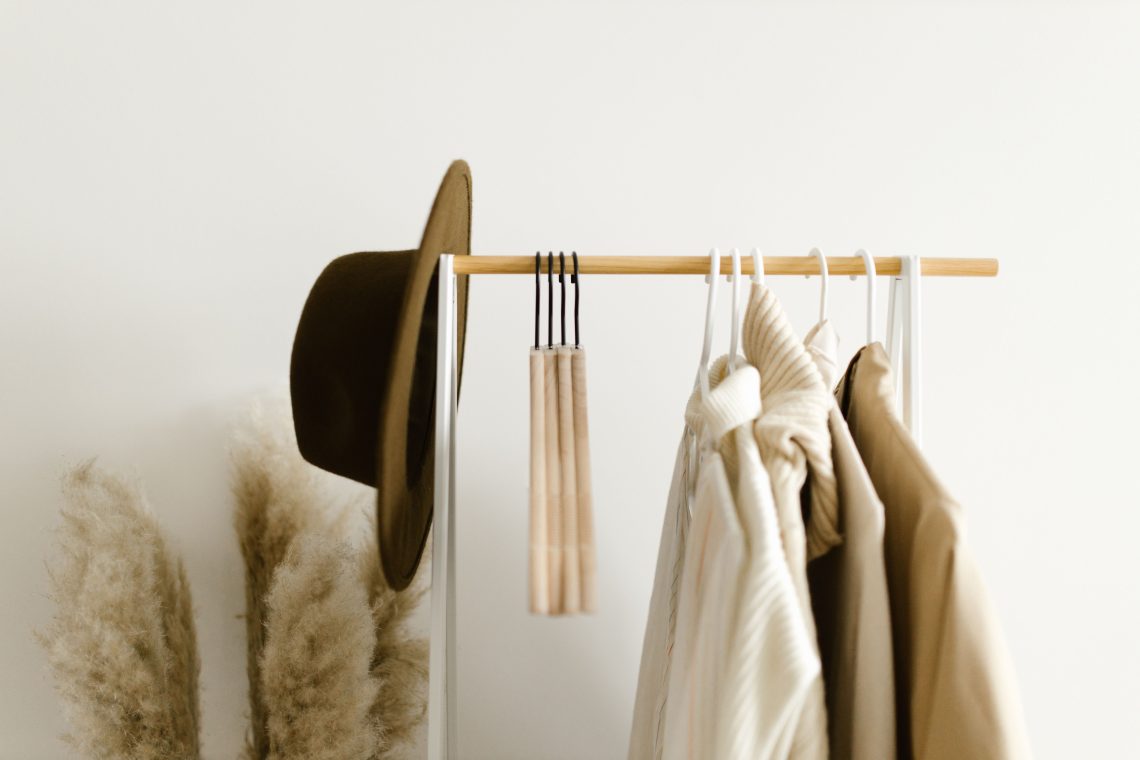
October has a way of making everyday life feel ready for a refresh. The mornings become cooler, favorite sweaters return to the front of the closet, seasonal drinks start appearing everywhere, and weekends suddenly seem full of possibilities. From decorating a cozy corner at home to planning autumn activities with friends, the month offers plenty of little reasons to make ordinary routines feel special. But a seasonal reset does not need to become another demanding self-improvement project. There is no need to reorganize an entire home, buy a completely new wardrobe, create an elaborate morning routine, or fill every weekend with carefully planned activities. Sometimes, feeling more put together comes…
-
The October Girl Era Has Arrived
October has a way of making everything feel a little more intentional. September can still feel like a transition month, caught between the last traces of summer and the beginning of a new routine, but October arrives with a stronger sense of identity. The mornings feel different, the evenings become cozier, wardrobes begin moving toward deeper colors and heavier textures, and suddenly there is an unmistakable desire to get life a little more organized. It is the month of sweaters, boots, layered outfits, warm drinks, candles, refreshed beauty routines and plans that feel slightly more meaningful. More than anything, October creates an atmosphere that encourages women to slow down enough…
-
September Is Ending — Time For The Girl Reset
There is something about the final days of September that makes you look at your life a little differently. The excitement of summer has faded, the first signs of autumn are everywhere, and the year suddenly feels like it has entered its final chapter. September 22 marked the autumn equinox in the Northern Hemisphere, officially beginning fall and bringing shorter days and longer nights. For many women, the seasonal change also creates a natural moment to pause and reconsider what everyday life should look like for the months ahead. January gets all the attention when it comes to fresh starts, but September has its own version of reset energy. The…
-
The September Reset Every Girl Can Actually Feel
September has a way of making everything feel slightly different. Summer is not completely gone, but the endless late nights, loose schedules and spontaneous plans are beginning to give way to cooler mornings, fuller calendars and the unmistakable feeling that the year is moving into its final stretch. It is not quite a new year, but somehow it carries the same energy. September arrives with an invitation to look around, decide what is working, and make a few changes before the rest of the year gets even busier. That is the appeal of the September reset. Unlike the dramatic January version, the September reset does not have to involve reinventing…
-
Your Fall Personality Might Be Hiding In Your Closet
Fashion Week may happen on runways, but its biggest influence often begins after the shows are over. A designer can send an entire collection down the runway, celebrities can fill the front rows, photographers can capture every detail and editors can spend days analyzing what is coming next, but the real test of a fashion moment is what happens when women start taking those ideas into their own lives. That is when a runway trend becomes something more personal. It becomes a color someone suddenly wants to wear, a silhouette she wants to try, a styling trick she recreates with clothes she already owns or even a completely different interpretation…
-
Why Going To The Movies Became A Girls’ Night Again
Going to the movies is becoming more than simply sitting in a theater and watching a film. For many women, movie nights are turning into full social experiences—complete with coordinated outfits, themed snacks, beauty looks, group chats, photos, and post-movie conversations. The theater is becoming a destination for connection as much as entertainment. For years, streaming services made it easier than ever to watch movies at home. Audiences could wait for a release to arrive on a platform, order food, and watch from the comfort of the couch. While that convenience remains popular, certain films are reminding audiences why watching something together in a theater can feel different. Fandom is…
-
The Lifestyle Shift Making Women Happier
For years, modern culture celebrated being constantly busy. Packed schedules, endless social commitments, and the pressure to always achieve became symbols of success. But a new lifestyle shift is emerging. More women are choosing slower weekends, deeper friendships, and more intentional ways of living. Instead of measuring life by how much they can accomplish, many are focusing on how meaningful their experiences feel. The goal is no longer simply doing more. It is creating a life that feels more fulfilling. This movement reflects a growing desire for balance. After years of fast-paced routines and digital overload, many people are recognizing the value of rest, reflection, and spending time on relationships…
-
The New Definition Of A Balanced Social Life
For years, having a busy social calendar was often seen as a sign of success. A full schedule of events, constant networking, and a large circle of acquaintances were often associated with popularity and fulfillment. Today, many people are beginning to rethink that idea. A balanced social life is no longer defined by how many invitations someone receives or how many people they know. Instead, more people are focusing on meaningful relationships, emotional connection, personal boundaries, and friendships that genuinely improve their lives. The modern approach to friendship is shifting from quantity to quality. This change reflects a broader cultural movement toward intentional living. As people experience increasingly busy schedules,…
-
Why Doing Less Is Becoming More Rewarding
For years, being busy was often viewed as a sign of success. Packed calendars, endless commitments, and constant productivity became symbols of ambition and achievement. Many people measured their lives by how much they could accomplish in a single day. However, a quiet lifestyle shift is taking place: more people are choosing meaningful weekends over schedules filled with endless activities. The idea of doing less is no longer associated with laziness or a lack of ambition. Instead, many people are discovering that slowing down can create more space for connection, creativity, health, and personal fulfillment. A weekend without constant obligations is becoming a valuable form of luxury. This shift reflects…
-
Why Smaller Friend Groups Feel Richer
For years, having a large social circle was often seen as a sign of popularity, confidence, and success. Social media reinforced the idea that more followers, more invitations, and more connections meant a more fulfilling social life. However, a growing number of women are redefining what meaningful connection looks like. Instead of maintaining endless social networks, many are choosing smaller, closer friendships built around trust, support, and genuine emotional connection. This shift reflects a broader change in how people think about relationships. In an increasingly connected world, many individuals are discovering that being surrounded by more people does not always translate into feeling less alone. The quality of relationships is…