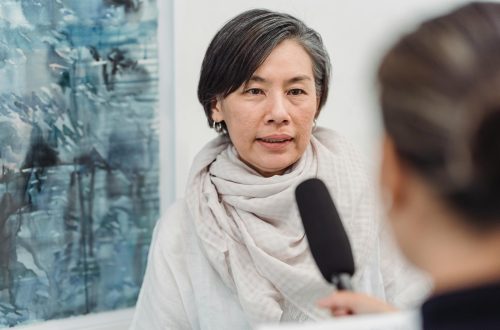
Beyond the Bechdel Test: Redefining Representation and Narrative in News Coverage
The Bechdel Test, a simple measure for gender representation in fiction (does a work feature at least two women who talk to each other about something other than a man?), served as a powerful, if basic, wake-up call for Hollywood. In the world of news, an equivalent “Bechdel Test” often reveals a similar, if more insidious, imbalance: how often do news stories feature women as sources, experts, or central figures beyond gendered topics, and how are they portrayed? The answer, historically, has been “not enough” and “often stereotypically.” However, with more women entering newsrooms and increasingly diverse audiences demanding authentic portrayals, a critical shift is underway. We are moving beyond the Bechdel Test to redefine representation and narrative in news coverage, striving for a media landscape where women are not just present, but are fully, accurately, and equitably portrayed as vital participants and shapers of our world.
For generations, news coverage frequently sidelined or stereotyped women. They were often presented as victims, accessories, wives, mothers, or objects of fascination, rather than as independent agents, intellectual leaders, or diverse contributors to society. When women were featured, it was often on “women’s pages” or segments focused on lifestyle, beauty, or domestic issues, implicitly signaling that their contributions were less “serious” than politics, business, or hard news. This narrow portrayal had profound effects: it reinforced gender stereotypes for audiences, limited aspirations for young girls, and contributed to a skewed understanding of societal realities where women’s contributions were largely invisible.
The presence of more women in newsrooms, particularly in reporting and editing roles, has been a significant catalyst for change. Female journalists, bringing their lived experiences and perspectives, naturally see stories and sources that might be overlooked by a male-dominated news team. They challenge existing narratives and push for more nuanced and equitable representation.
Redefining representation and narrative in news coverage involves several key areas:
1. Increasing the Number of Female Sources and Experts: This is perhaps the most fundamental challenge. Studies consistently show that women are underrepresented as sources and experts in news stories, particularly in fields like politics, economics, technology, and science. This means that male voices are disproportionately shaping public discourse.
- Active Sourcing: Newsrooms need to actively diversify their source lists, seeking out female experts, academics, business leaders, and community voices across all fields, not just those traditionally associated with women.
- Challenging the “Usual Suspects”: Moving beyond the handful of frequently quoted male experts to intentionally cultivate and feature new, diverse voices.
- Internal Metrics: Implementing internal newsroom metrics to track gender balance in sourcing and holding reporters and editors accountable for diversifying their sources.
2. Moving Beyond Stereotypes in Portrayal: When women are featured, how are they presented?
- Challenging Gendered Language: Eliminating sexist language and clichés (e.g., “feisty,” “emotional,” “bossy”) and using gender-neutral language where appropriate.
- Focusing on Achievements, Not Appearance: Prioritizing women’s professional achievements, expertise, and contributions over their physical appearance, marital status, or family life, unless directly relevant to the story.
- Showcasing Diverse Roles: Featuring women in a full spectrum of roles—leaders, innovators, activists, artists, athletes, scientists—not just in domestic or secondary capacities.
- Acknowledging Intersectionality: Recognizing that women are not a monolithic group. News coverage must reflect the diversity of women’s experiences based on race, ethnicity, sexual orientation, disability, socio-economic status, etc.
3. Broadening the Definition of “News”: When women are in decision-making roles, the very definition of what constitutes “news” can expand.
- Elevating Underreported Issues: Giving greater prominence to stories that disproportionately affect women and marginalized communities, such as gender-based violence, reproductive health, pay equity, and caregiving burdens.
- Human-Centered Storytelling: While all journalists can do this, women often bring a particular sensibility to stories that highlight the human impact of policies, conflicts, or social issues, making the news more relatable and empathetic.
- Community-Focused Reporting: Prioritizing stories that reflect the concerns and experiences of diverse communities, often where women are central figures as organizers, advocates, and leaders.
4. Gender-Inclusive Language and Style Guides:
News organizations are increasingly adopting internal style guides that promote gender-inclusive language, such as using “they” as a singular pronoun when appropriate, avoiding gendered job titles, and ensuring respectful terminology for all gender identities. This extends to visual representation, ensuring photo desks use diverse imagery and avoid objectifying visuals.
5. Data-Driven Insights and Accountability: The “what gets measured gets managed” principle applies here. News organizations can use data analytics to:
- Track the gender of sources cited in stories.
- Analyze the language used to describe male versus female subjects.
- Audit the prominence given to stories focused on women’s issues.
- This data can then inform training, editorial meetings, and performance reviews to drive change.
6. Empowering Female Journalists to Challenge Narratives: Creating newsroom cultures where female journalists feel empowered to:
- Pitch stories from diverse perspectives.
- Challenge biased language or framing in editorial discussions.
- Act as advocates for more inclusive coverage.
- This requires supportive leadership and psychological safety.
For today’s generation, who are digital natives consuming news from a myriad of sources, and who are deeply engaged with issues of identity, equality, and social justice, authentic representation in news is not just a preference; it’s an expectation. They are quick to spot tokenism or inaccurate portrayals and demand more nuanced, intersectional narratives.
The goal of moving beyond the Bechdel Test in news is to create a media ecosystem where every story reflects the full spectrum of human experience, where women are seen and heard as intelligent, capable, and multifaceted individuals contributing to every aspect of society. It’s about dismantling the invisible biases that have shaped narratives for too long and building a truly representative mirror of our world, ensuring that the news doesn’t just report on history, but actively shapes a more equitable future. This isn’t just good for women; it’s good for journalism, making it more relevant, accurate, and trustworthy for all audiences.


You May Also Like

The Rise of the Celebrity Stylist: Unsung Heroes Behind Iconic Looks (and Red Carpet Drama)

From Byline to Boardroom: Women Breaking Barriers in Journalism Leadership