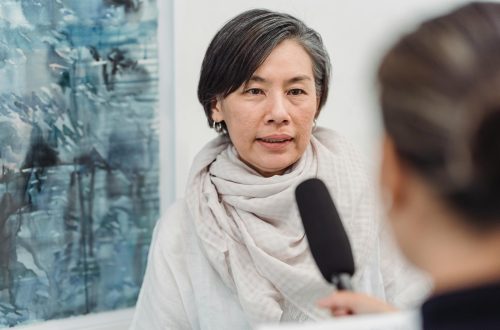
From Byline to Boardroom: Women Breaking Barriers in Journalism Leadership
For much of its history, the newsroom was a distinctly male domain. Women, if present at all, were often relegated to the “women’s pages” covering fashion, homemaking, or society news. The authoritative voices, the investigative powerhouses, and certainly the decision-makers in the news industry were overwhelmingly men. While women have made significant strides over the past few decades, populating newsrooms at all levels, the climb from byline to boardroom remains a steep ascent. Achieving true gender parity in journalism leadership—in editor-in-chief roles, executive producer positions, and at the highest echelons of media corporations—is not just about fairness; it’s about fundamentally reshaping the stories we tell, the perspectives we prioritize, and the very future of a healthy, representative news landscape.
The journey of women in news leadership is a testament to perseverance against systemic barriers. Early pioneers like Nellie Bly and Ida B. Wells broke ground as investigative journalists, but their trailblazing efforts rarely translated into positions of editorial power. Even as more women entered the field in the mid-20th century, a “glass ceiling” firmly capped their advancement. They faced overt discrimination, gender pay gaps, and subtle biases that funneled them into less prestigious beats or mid-level management, rarely granting them the ultimate authority over content or strategy. The prevailing assumption was often that leadership required a “male” temperament—decisive, unemotional, authoritative—a stereotype that actively penalized women for traits traditionally associated with femininity, such as collaboration or empathy, even when these are powerful leadership qualities.
Today, while the numbers of women in journalism are often near parity with men at entry and mid-levels, the pyramid narrows dramatically at the top. Studies consistently show that women are underrepresented in editor-in-chief roles, executive producer positions, and on corporate boards of major news organizations. This means that despite women doing much of the legwork of reporting, the ultimate decisions about editorial direction, resource allocation, and strategic vision are still disproportionately made by men.
The implications of this gender imbalance at the top are profound:
- Impact on Coverage: When women are absent from leadership, it can lead to a narrower range of stories being prioritized, a lack of nuanced understanding of issues affecting women and marginalized communities, and a perpetuation of traditional, male-centric narratives. Important stories about reproductive rights, gender-based violence, family leave, or even the subtle biases women face in various sectors might receive less prominence or be framed differently if the decision-makers lack direct lived experience or empathy for these issues.
- Source Diversity: Leaders shape newsroom culture. A diverse leadership team is more likely to encourage and enforce policies that seek out diverse sources for stories, moving beyond the usual “expert” who is often male. This enriches reporting and provides a more comprehensive view of society.
- Talent Pipeline: The lack of visible female leaders creates a “you can’t be what you can’t see” problem. Young women entering journalism might struggle to envision a path to the top if they don’t see women in those roles, potentially leading to attrition and a less diverse talent pool in the long run.
- Workplace Culture: Diverse leadership fosters more inclusive and equitable workplace cultures. Women leaders can implement policies that support work-life balance, address sexual harassment effectively, promote fair pay, and create environments where all employees feel valued and heard.
- Public Trust: In an era of declining public trust in media, news organizations that reflect the diversity of their audiences are more likely to build credibility and resonance. When audiences see women, especially women from diverse backgrounds, in positions of authority, it signals a commitment to representing all voices.
Breaking barriers from byline to boardroom requires multi-pronged strategies:
1. Challenging Unconscious Bias: News organizations must actively train hiring managers and promotion committees to recognize and mitigate unconscious biases in recruitment and advancement. This includes scrutinizing language in job descriptions, ensuring diverse candidate pools, and standardizing interview processes to reduce subjectivity.
2. Mentorship and Sponsorship Programs: Formal and informal mentorship programs are crucial. Women in senior roles should actively mentor and sponsor emerging female talent, providing guidance, opening doors, and advocating for their advancement. Sponsorship, in particular, involves actively championing a protégé for specific opportunities, using one’s own capital to elevate another.
3. Equitable Pay and Transparent Compensation: Addressing the gender pay gap is fundamental. Companies must conduct regular pay audits and ensure transparent compensation structures to eliminate disparities that often hold women back. When women are underpaid, it impacts their financial security and their perceived value, making it harder to negotiate for leadership roles.
4. Flexible Work Arrangements and Supportive Policies: The news industry’s demanding, always-on nature can disproportionately affect women who often shoulder more caregiving responsibilities. Implementing flexible work arrangements, robust parental leave policies, and supporting resources for caregivers can help retain talented women and enable them to ascend to leadership without sacrificing their personal lives.
5. Building Leadership Skills Early: Invest in leadership development programs specifically for emerging female journalists. These programs can focus on negotiation skills, strategic thinking, financial literacy (for budgeting and resource allocation), and public speaking—skills often implicitly taught to men in informal networks but less readily available to women.
6. Advocating for Board Diversity: Push for greater representation of women on the boards of media companies. Board diversity influences top-down commitment to diversity and inclusion throughout the organization.
7. Visible Role Models and Storytelling: Highlighting the achievements and journeys of women who have broken into leadership roles is essential. Storytelling can inspire the next generation and demonstrate that these pathways are not only possible but necessary.
8. Confronting “Bro Culture”: Actively dismantle “bro culture” or any informal networks that exclude women. This means challenging exclusionary practices, ensuring social events are inclusive, and fostering a culture of respect and professionalism.
The journey from byline to boardroom is a continuous evolution. For today’s generation of aspiring journalists, witnessing women leading major news organizations is not just an aspiration but an expectation. Their presence at the helm brings unique perspectives, fosters more inclusive newsrooms, and ultimately creates more relevant, impactful journalism for a diverse world. It’s a powerful statement that the stories we tell, and who gets to tell them, truly matter. Achieving gender parity in news leadership is not just about evening the score; it’s about elevating the entire industry and ensuring that the news reflects the full, vibrant tapestry of human experience.


You May Also Like

The Future of News: Women as Innovators, Entrepreneurs, and Architects of New Media Models

Influencers, Brand Deals, and the Blurring Line Between Authenticity and Advertising