Why Saying “No” Is a Personality Trait Now
Confidence is evolving. For years, boldness, bravado, and constant visibility were seen as markers of self-assurance. Today, a new form of confidence is emerging—one defined not by how much you do or say, but by the boundaries you set. Saying “no” has become a personality trait, a signal of self-respect, and an assertion of control over one’s time, energy, and attention.
This shift is particularly visible among young women. Rather than proving worth through overcommitment or relentless participation, many are prioritizing selectivity. Choosing where to invest effort, when to engage, and which opportunities to accept signals discernment and confidence. Platforms like Instagram, TikTok, and X are full of voices celebrating this approach—micro-influencers, activists, and creators openly framing “no” as empowerment.
Boundaries now carry social currency. A refusal is not weakness; it’s clarity. Saying “no” communicates priorities, protects mental health, and models intentional living. It signals that confidence is rooted in self-knowledge rather than performative achievement.
This approach also reshapes traditional expectations. Women who decline opportunities, step back from overcommitment, or disengage from unnecessary drama are no longer penalized. Instead, their ability to manage attention and assert limits earns respect, admiration, and influence. Bravado has ceded space to intentionality.
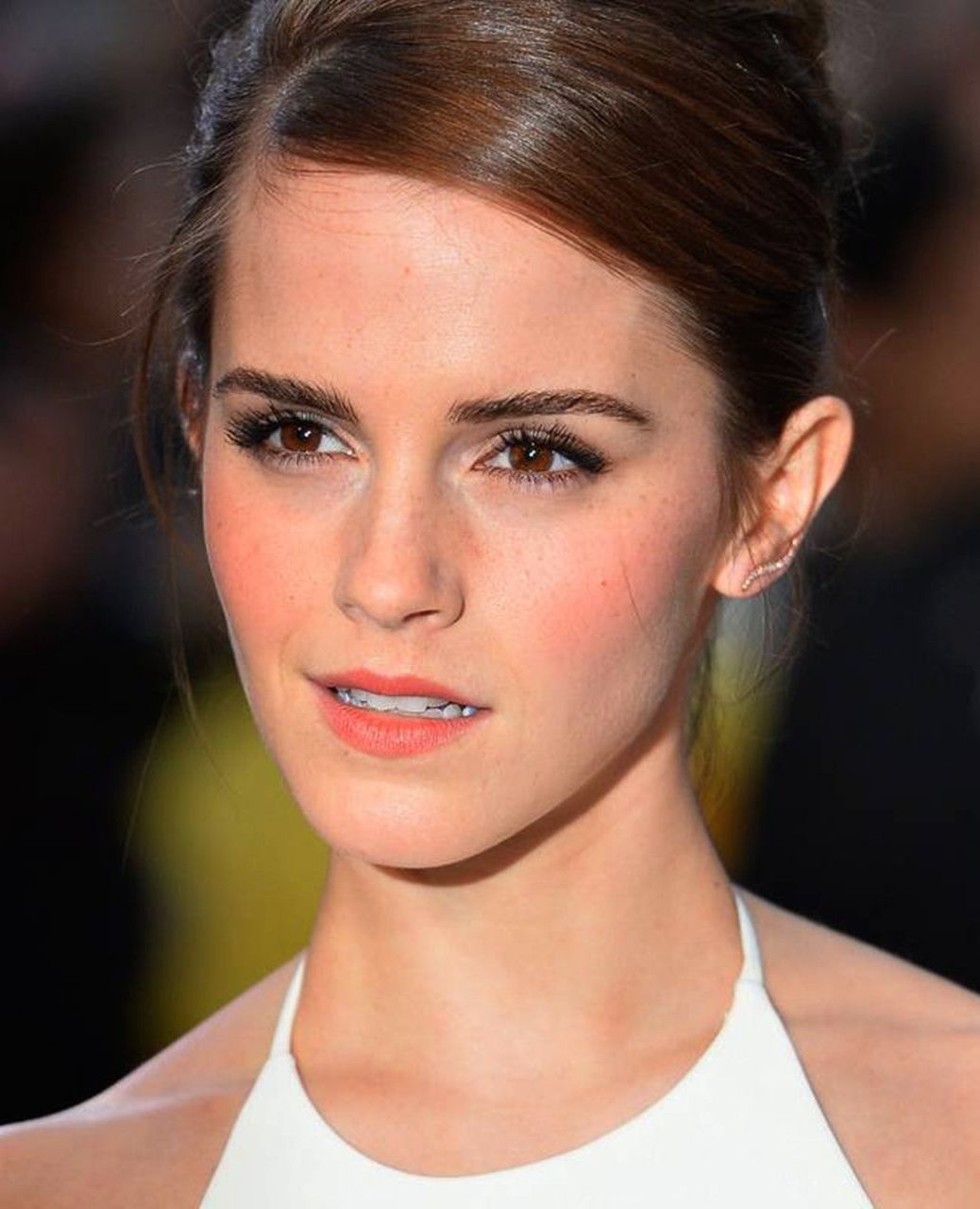
Even in professional and creative contexts, the power of “no” is evident. High-profile figures like Zendaya, Emma Watson, and Beyoncé are known for curating their visibility, declining certain roles, projects, or media appearances. Their selective engagement demonstrates that restraint is not absence—it’s strategy.
Ultimately, redefining confidence through boundaries encourages a healthier, more sustainable approach to life. It allows individuals to focus on meaningful goals, nurture wellbeing, and assert agency without conforming to external pressures. Saying “no” is not just a choice—it’s a declaration of identity.

You May Also Like
Logan Paul and Nina Agdal Tie the Knot in a Dreamy Lake Como Wedding
Maya Hawke and Christian Lee Hutson Tie the Knot: Inside Their Valentine’s Day Wedding