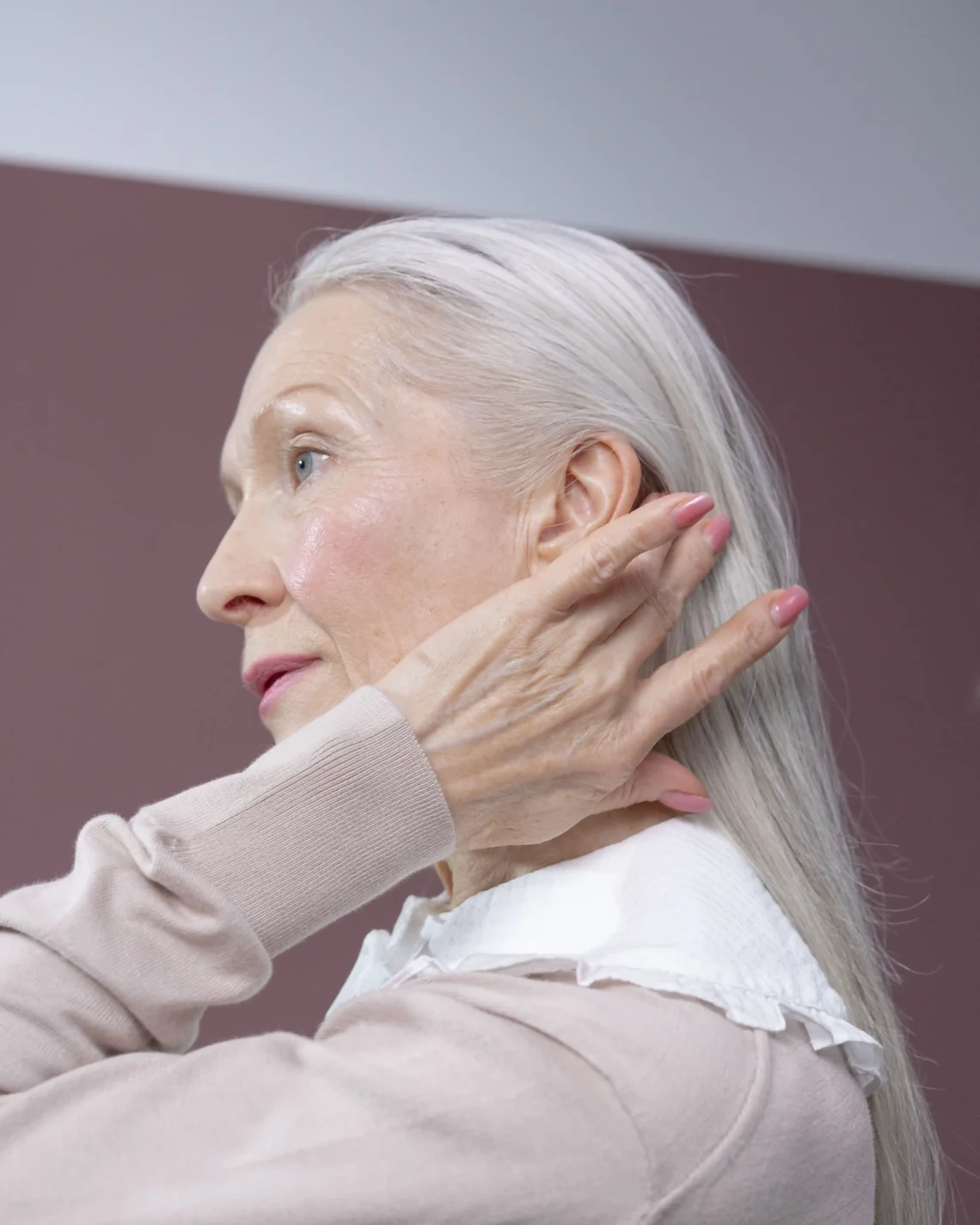
How to Keep Your Skin Looking Healthy at Every Age
Understanding How Your Skin Changes Over Time
Healthy skin is not defined by age. While your skin naturally changes as the years pass, maintaining a radiant, balanced, and youthful-looking complexion is possible with the right skincare habits, lifestyle choices, and consistent care. Every stage of life brings different skin needs, and understanding these changes allows you to create a routine that supports your skin’s health at every age.
Many people believe that achieving beautiful skin requires expensive treatments or complicated routines, but long-term skin health often comes down to simple, consistent practices. Protecting your skin from environmental damage, maintaining hydration, using effective ingredients, and adapting your routine as your skin evolves can make a significant difference.
From your twenties to your fifties and beyond, the goal of skincare should not be chasing perfection. Instead, it should focus on maintaining strength, hydration, comfort, and confidence while supporting your skin’s natural ability to repair and protect itself.
The Importance of a Lifelong Skincare Routine
Your skin is your body’s largest organ and serves as a protective barrier against external factors such as pollution, weather changes, bacteria, and ultraviolet radiation. Because it is constantly exposed to environmental stress, it requires ongoing care throughout every stage of life.
A consistent skincare routine helps maintain the skin barrier, which is responsible for keeping moisture inside while protecting against irritants. When the skin barrier becomes weakened, common concerns such as dryness, sensitivity, redness, and uneven texture can become more noticeable.
A successful skincare routine does not need to include dozens of products. The most important foundation includes gentle cleansing, proper hydration, sun protection, and ingredients that address your specific skin concerns.
As your skin changes, your routine should change with it. Products that worked well in your twenties may not provide the same benefits later in life, making it important to reassess your skincare needs regularly.
Caring for Your Skin in Your 20s
Your twenties are an important time to establish healthy skincare habits that can benefit your complexion for years to come. During this stage, many people experience relatively strong collagen production and faster skin renewal, but early prevention is essential.
One of the most important habits to develop in your twenties is daily sunscreen use. Sun exposure is one of the leading causes of premature skin aging, contributing to fine lines, wrinkles, dark spots, and uneven skin tone. Applying broad-spectrum sunscreen every day helps protect your skin from long-term damage.
Hydration is also essential during this stage. Even oily or acne-prone skin requires moisture to maintain balance. Lightweight moisturizers containing ingredients such as hyaluronic acid, glycerin, and ceramides can help support a healthy skin barrier without feeling heavy.
Your twenties are also a good time to introduce antioxidants such as vitamin C. These ingredients help defend the skin against environmental stress while supporting a brighter, healthier-looking complexion.
Avoiding harsh skincare habits is equally important. Over-exfoliating, constantly changing products, and using overly aggressive acne treatments can damage the skin barrier and create unnecessary irritation.
Maintaining Healthy Skin in Your 30s
During your thirties, many people begin noticing subtle changes in their skin. Collagen production gradually decreases, cell turnover slows, and concerns such as fine lines, uneven texture, and dullness may become more visible.
This stage is an ideal time to focus on prevention and supporting your skin’s natural structure. Ingredients such as retinol, peptides, antioxidants, and niacinamide can become valuable additions to a skincare routine.
Retinol is widely recognized for its ability to encourage skin renewal and improve the appearance of fine lines and uneven texture. However, it should be introduced gradually to minimize irritation.
Hydration becomes increasingly important in your thirties because the skin may not retain moisture as effectively as before. Richer moisturizers containing ceramides, peptides, and nourishing oils can help maintain softness and elasticity.
Lifestyle choices also become more noticeable on the skin during this period. Lack of sleep, high stress levels, and inconsistent nutrition may contribute to a tired-looking complexion. Prioritizing rest, hydration, and balanced meals supports healthy skin from within.
Supporting Skin Health in Your 40s
Your forties often bring more visible signs of aging as changes in collagen, elastin, and natural oil production become more noticeable. The skin may appear drier, thinner, or less firm, making targeted skincare especially important.
At this stage, focus on ingredients that support hydration, firmness, and skin renewal. Retinol remains a popular choice because of its ability to improve the appearance of fine lines and texture. Peptides can also support the appearance of firmer skin by encouraging healthy collagen-related processes.
A nourishing moisturizer becomes increasingly important during your forties. Look for formulas containing ingredients such as hyaluronic acid, ceramides, and antioxidants to help maintain moisture and strengthen the skin barrier.
Eye care may also become a bigger priority. The skin around the eyes is naturally thinner and often shows signs of fatigue earlier than other areas. Hydrating eye creams containing peptides or caffeine can help improve the appearance of dryness and puffiness.
Most importantly, continue using sunscreen daily. Protecting your skin from further UV damage remains one of the most effective ways to maintain a healthier appearance.
Caring for Skin After 50
After fifty, hormonal changes and natural aging processes can significantly affect the skin. Many people experience increased dryness, reduced elasticity, and greater sensitivity.
The focus of skincare during this stage should be nourishment, hydration, and barrier protection. Gentle cleansers are often preferable because harsh formulas may remove natural oils that help keep the skin comfortable.
Rich moisturizers containing ceramides, peptides, and nourishing ingredients can help support smoother-looking skin. Hydrating serums with ingredients like hyaluronic acid can also improve the appearance of dehydrated skin.
Antioxidants remain valuable because they help protect the skin from environmental stress. Vitamin C, vitamin E, and other antioxidant-rich ingredients can support a brighter and healthier-looking complexion.
Aging skin does not need to be hidden. Many people embrace their changing appearance while focusing on maintaining skin that looks cared for, healthy, and radiant.
The Role of Sunscreen in Every Stage of Life
If there is one skincare habit that benefits every age group, it is daily sunscreen use. UV radiation affects the skin throughout life and contributes significantly to visible aging.
Sun damage can lead to uneven pigmentation, wrinkles, loss of firmness, and changes in skin texture. Even people who spend most of their time indoors can experience UV exposure through windows and everyday activities.
A broad-spectrum sunscreen with SPF 30 or higher should be applied every morning as the final step in your skincare routine. Reapplication is especially important during outdoor activities or extended sun exposure.
Many modern sunscreens are designed to feel lightweight, comfortable, and suitable for different skin types, making daily use easier than ever.
Nutrition and Lifestyle Habits for Healthier Skin
Skincare products are only one part of maintaining healthy-looking skin. Your daily habits also play an important role in your complexion.
A balanced diet rich in fruits, vegetables, healthy fats, and protein provides nutrients that support overall skin health. Foods containing antioxidants may help protect the body from oxidative stress, while healthy fats support the skin’s natural moisture barrier.
Hydration is another important factor. Drinking enough water helps support normal body functions and contributes to overall skin appearance.
Quality sleep allows your body to repair and restore itself. During rest, important recovery processes take place that support healthier-looking skin. Chronic stress, on the other hand, may contribute to increased sensitivity, breakouts, or changes in skin balance.
Regular exercise can also support skin health by improving circulation and helping deliver oxygen and nutrients throughout the body.
Common Skincare Mistakes That Can Affect Your Skin
Even with good intentions, certain skincare habits can prevent your skin from reaching its healthiest appearance.
One common mistake is using too many products at once. Combining multiple strong active ingredients without proper knowledge can irritate the skin and weaken the protective barrier.
Another mistake is skipping moisturizer because of oily skin. All skin types require hydration, and avoiding moisturizer can sometimes lead to increased oil production.
Failing to remove makeup before sleeping is another habit that can contribute to clogged pores and irritation. Proper cleansing allows the skin to recover overnight.
Finally, many people underestimate the importance of consistency. The best skincare routine is not necessarily the most expensive one—it is the one you can follow regularly.
How to Build a Skincare Routine That Changes With You
The best skincare routine evolves as your skin changes. Instead of following trends blindly, focus on understanding what your skin needs at each stage.
A basic routine can include a gentle cleanser, moisturizer, sunscreen, and targeted treatments based on your concerns. Younger skin may focus more on prevention, while mature skin may prioritize hydration, firmness, and barrier support.
Introduce new products slowly and give them enough time to work. Many skincare ingredients require several weeks or months of consistent use before noticeable results appear.
Listening to your skin is one of the most valuable skills you can develop. If a product causes persistent irritation or discomfort, it may not be the right choice regardless of its popularity.
The Importance of Confidence at Every Age
Healthy skin is not about looking younger—it is about feeling comfortable and confident in your own appearance. Every age brings unique beauty, and skincare should support your confidence rather than create pressure to meet unrealistic standards.
Fine lines, texture changes, and other signs of aging are natural parts of life. A good skincare routine helps you care for your skin while embracing the changes that come with time.
The goal is not perfection. The goal is skin that feels healthy, protected, and well cared for.
Final Thoughts
Keeping your skin looking healthy at every age requires consistency, protection, and an understanding of how your skin changes over time. The habits you develop today can influence the appearance and strength of your skin for years to come.
From daily sunscreen use in your twenties to hydration-focused routines later in life, each stage offers opportunities to support your complexion. Choosing effective ingredients, maintaining a healthy lifestyle, and adapting your skincare routine as your needs change can help your skin remain radiant and balanced.
Healthy skin is a lifelong journey. With patience, care, and realistic expectations, you can maintain a complexion that reflects confidence and well-being at every age.


You May Also Like

The SkinTech Revolution: How Smart Mirrors & Tightening Devices Are Personalizing Perfection

Precision Radiance: How Boosters Transform Targeted Facial Rejuvenation