How to Layer Clothes for a Cold-Weather Vacation Without Looking Bulky
Planning a vacation to a cold-weather destination can be exciting, especially when you imagine snowy streets, cozy cafés, beautiful winter scenery, and stylish photographs surrounded by frosty landscapes. But dressing for freezing temperatures can also create a fashion dilemma. You want to stay warm and comfortable, but wearing multiple thick sweaters and oversized coats can quickly make an outfit look bulky.
The good news is that staying warm does not require wearing every heavy item in your closet at once. The secret to stylish winter dressing is learning how to layer strategically. With the right combination of lightweight base layers, insulating mid-layers, protective outerwear, and carefully chosen accessories, you can create outfits that provide warmth without sacrificing style.
Whether you are visiting a snowy city, exploring a mountain destination, or planning a winter getaway somewhere with freezing temperatures, understanding how to layer clothes can make your trip more comfortable and your wardrobe more versatile.
Why Layering Is Important for Cold-Weather Travel
Layering is one of the most practical ways to dress for cold weather because it allows you to adjust your clothing throughout the day. Temperatures can change significantly between outdoor and indoor environments. You might feel freezing while walking outside but suddenly become too warm after entering a heated restaurant, museum, hotel, or shopping center.
Instead of relying on one extremely thick garment, layering allows you to add or remove pieces as needed.
A well-designed layered outfit usually includes a base layer close to the skin, an insulating middle layer, and an outer layer that protects you from wind, rain, or snow. Each layer has a purpose, and choosing thinner pieces instead of simply adding bulk can make a significant difference.
The goal is not to wear more clothing. It is to wear the right clothing in the right order.
Start With a Lightweight Base Layer
The first layer is arguably one of the most important because it sits directly against your skin. A good base layer can help manage moisture and provide warmth without adding much bulk.
Instead of starting with a thick cotton shirt, consider lightweight thermal tops, fitted long-sleeve shirts, or other moisture-managing materials designed for cold weather.
A fitted base layer creates a smooth foundation for the rest of your outfit. Because it is relatively thin, you can add additional layers without making the entire look excessively large.
For extremely cold destinations, thermal leggings or fitted base-layer pants can also provide additional warmth underneath trousers, jeans, or other winter bottoms.
Choose Fabrics Carefully
The material of your clothing can affect how warm you feel and how bulky your outfit becomes. Some fabrics provide significant insulation without requiring excessive thickness.
Wool, merino wool, fleece, and certain technical fabrics can be useful for cold-weather dressing. Merino wool, in particular, is popular for travel because it can provide warmth while remaining relatively lightweight.
When choosing layers, pay attention not only to thickness but also to the fabric’s ability to retain warmth and manage moisture.
A thinner, well-designed thermal layer can sometimes be more useful than a very thick shirt that takes up valuable space under your coat.
Build Your Outfit From Thin to Thick
A simple rule for successful layering is to start thin and gradually add thicker pieces.
Your base layer should generally be the thinnest. Your middle layer can add insulation, while the outer layer provides protection from cold weather conditions.
For example, you might wear a fitted thermal top underneath a lightweight sweater, followed by a structured winter coat.
This approach creates warmth without requiring several oversized pieces.
If you start with a thick sweater and then add another thick sweater before putting on a large coat, the result can quickly become uncomfortable and restrictive.
Use One Good Insulating Layer
Many people make the mistake of wearing several sweaters when one high-quality insulating layer would be enough.
A fleece jacket, lightweight down jacket, wool sweater, or insulated vest can provide warmth without creating excessive volume.
The best middle layer depends on the climate and your planned activities. If you are visiting a moderately cold city, a fine-knit wool sweater may be enough. If you are traveling somewhere with freezing temperatures, a lightweight insulated layer may be more appropriate.
Think of your middle layer as the piece that traps warmth between your base layer and outer coat.
Choose the Right Winter Coat
Your outer coat is one of the most important pieces of a cold-weather vacation wardrobe. It should provide enough protection for the destination without making you feel like you are wearing several jackets at once.
Look for a coat that fits comfortably over your base and middle layers but is not dramatically oversized.
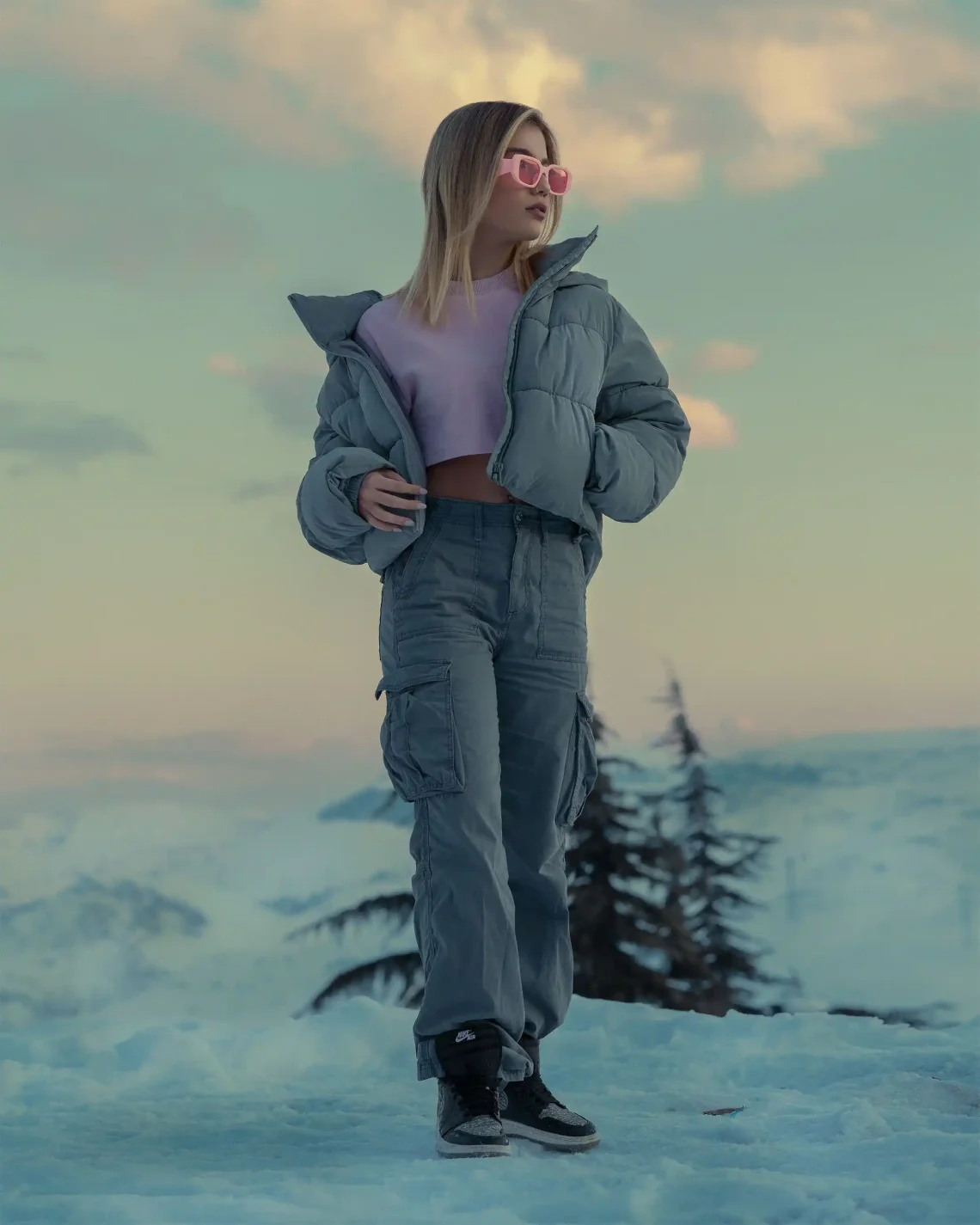
Long wool coats can create an elegant and polished appearance for city vacations. Puffer jackets and insulated parkas may be more practical for extremely cold environments or outdoor activities.
The right choice depends on the weather you expect to encounter.
If you are traveling somewhere with snow, strong winds, or freezing temperatures, prioritize warmth and weather protection over purely aesthetic considerations.
Pay Attention to Proportions
One of the easiest ways to prevent layered outfits from looking bulky is to pay attention to proportions.
If you wear a large oversized coat, pairing it with very wide trousers and a thick oversized sweater can create a lot of visual volume.
Instead, balance proportions. A longer or oversized coat can work well with slimmer trousers or fitted base layers. If your jacket is more fitted, you can experiment with a slightly more relaxed sweater.
The goal is not necessarily to wear tight clothing. Rather, avoid having every piece of your outfit add significant volume.
Layer Your Bottom Half Too
Cold-weather dressing is not only about keeping your upper body warm. Your legs can also become uncomfortable when temperatures drop.
Thermal leggings can be worn underneath jeans, trousers, or winter skirts. Fleece-lined tights can also provide additional warmth while maintaining a streamlined appearance.
If you prefer trousers, consider thicker fabrics such as wool blends or heavier denim. For very cold destinations, insulated or weather-resistant pants may be more practical than standard fashion trousers.
Layering your lower body allows you to wear familiar pieces without relying on extremely thick pants.
Don’t Forget Your Feet
Cold feet can quickly ruin a winter vacation, especially if you plan to spend hours walking outdoors.
Choose footwear that provides insulation, comfort, and appropriate protection from the weather. Depending on your destination, waterproof or water-resistant boots may be particularly useful.
Avoid wearing multiple pairs of extremely thick socks if they make your shoes too tight. Tight footwear can actually become uncomfortable and may restrict circulation.
A warm, comfortable pair of winter socks combined with properly fitted boots is often a better solution.
Since vacation days can involve significant walking, comfort should be treated as part of your fashion strategy rather than an afterthought.
Accessories Can Add Warmth Without Bulk
Winter accessories are one of the easiest ways to add warmth and personality without significantly increasing the volume of your outfit.
A scarf, gloves, beanie, or earmuffs can provide additional protection while also introducing color, texture, and visual interest.
Instead of wearing an extremely thick scarf that takes up half your outfit, consider a medium-weight scarf that can be wrapped comfortably around your neck.
Accessories also give you an opportunity to change the appearance of an outfit without packing multiple coats. A different scarf or hat can make the same coat feel completely different.
Use Color to Create a Sleeker Look
Color coordination can also make layered outfits appear more streamlined.
Neutral colors such as black, gray, cream, camel, navy, brown, and white can be particularly easy to combine. Wearing similar shades throughout an outfit can create a continuous visual line.
For example, a black base layer, black trousers, and a charcoal coat can create a sleek appearance even when several layers are being worn.
That does not mean your winter wardrobe needs to be completely neutral. A colorful scarf, sweater, gloves, or handbag can add personality without overwhelming the outfit.
Try Monochromatic Winter Outfits
A monochromatic outfit uses different shades of the same or similar color. This can be particularly effective for winter layering because it creates visual consistency.
Imagine a cream sweater layered beneath a beige coat with tan trousers and brown boots. The individual pieces remain visible, but the similar color palette creates a polished overall appearance.
Black, gray, brown, navy, cream, and camel are especially versatile for monochromatic winter outfits.
This technique can make multiple layers appear intentional rather than randomly stacked.
Avoid Too Many Bulky Textures
Winter clothing naturally includes thick and textured fabrics, but combining too many bulky textures can make an outfit appear larger.
For example, pairing a chunky knit sweater with a thick fleece jacket, oversized scarf, puffer coat, and heavy trousers can create excessive volume.
Instead, balance textures. A fine-knit sweater can work beautifully beneath a structured wool coat. A sleek thermal layer can disappear underneath a textured cardigan.
Using contrast between smooth and textured fabrics can make your outfit look more sophisticated.
Make Your Layers Work Together
Every layer should ideally serve a purpose. Before packing for your vacation, try your complete outfits on together.
Make sure your base layer fits comfortably underneath your sweater. Check whether your coat closes easily over everything. Walk around in your boots and make sure your clothing does not restrict your movement.
This is especially important when traveling because you may spend several hours walking, waiting outdoors, carrying luggage, or moving between different environments.
A beautiful outfit is not successful if you cannot comfortably move in it.
Pack Versatile Pieces
Cold-weather vacations can require more clothing than warm-weather trips because of the number of layers involved. Smart packing becomes particularly important.
Choose pieces that can be worn in multiple combinations. A neutral sweater can work with several pairs of trousers. A versatile coat can be worn with casual daytime outfits and slightly dressier evening looks.
Instead of packing five heavy sweaters, consider bringing a few lightweight layers that can be combined in different ways.
This saves suitcase space while giving you more outfit possibilities.
Create a Winter Vacation Capsule Wardrobe
A small winter capsule wardrobe can make packing much easier.
Start with one reliable coat, a couple of lightweight base layers, two or three versatile sweaters, comfortable trousers, winter-appropriate footwear, and several accessories.
From there, you can create different combinations throughout your trip.
A capsule wardrobe does not mean every outfit has to look identical. Changing accessories, layering combinations, and color pairings can create variety without requiring a huge suitcase.
The key is choosing pieces that coordinate with one another.
Dress for the Actual Weather
Fashion should always be balanced with practicality when traveling to a cold destination.
Before packing, research the typical weather conditions for your destination and travel dates. Consider temperatures, wind, precipitation, snow, and how much time you expect to spend outdoors.
A stylish wool coat may be perfect for a city break with moderate winter temperatures but insufficient for an extended outdoor excursion in extreme cold.
Likewise, an extremely insulated parka may be unnecessary if you are primarily moving between heated buildings.
Your destination should determine your layering strategy.
Layering for Snowy Destinations
If your vacation involves snow, your clothing needs to handle more than just cold temperatures.
Water resistance becomes particularly important. Snow can melt onto clothing, while wet conditions can make you feel colder.
Choose footwear with appropriate traction and weather protection. Your outer layer should protect you from moisture and wind, while your insulating layers help retain warmth.
Accessories such as gloves, hats, and scarves can become especially important when spending extended periods outside.
The goal is to create a barrier between your body and the outdoor environment while keeping your clothing comfortable enough for movement.
What to Wear for a Winter City Vacation
Winter city vacations often require a balance between practicality and style.
You may spend part of the day walking outside and then several hours inside cafés, museums, restaurants, and shops.
A fitted thermal top, lightweight sweater, tailored trousers, comfortable boots, and a polished wool coat can create a versatile city outfit.
Adding a scarf and gloves provides extra warmth when needed. When you move indoors, you can remove your coat and still have a complete outfit underneath.
This is one of the biggest advantages of thoughtful layering.
How to Look Stylish Without Sacrificing Warmth
Warmth and style do not have to compete. The key is choosing pieces that perform multiple functions.
A well-cut coat can provide warmth while creating a polished silhouette. A fine-knit sweater can provide insulation without excessive volume. A structured boot can offer protection while completing an outfit.
Pay attention to details such as proportions, color coordination, fabric combinations, and accessories.
When your layers are intentional, they look like part of an outfit rather than a collection of emergency clothing added because the temperature dropped.
Final Thoughts
Learning how to layer clothes for a cold-weather vacation can make winter travel significantly more comfortable and stylish. Instead of relying on oversized clothing, build your outfit gradually with lightweight base layers, insulating middle layers, and a protective outer layer.
Focus on fabrics, proportions, color coordination, and versatile pieces that can be worn in multiple combinations. Use accessories such as scarves, hats, and gloves to add warmth and personality without creating excessive bulk.
Most importantly, dress for the actual conditions you expect to encounter. A fashionable outfit is only successful if it keeps you comfortable enough to enjoy your trip.
With thoughtful layering, you can explore snowy streets, enjoy winter attractions, take beautiful vacation photos, and stay warm without feeling buried beneath bulky clothing. The secret to great cold-weather fashion is not simply wearing more—it is layering smarter.


You May Also Like
How Leather Jackets Became the Coolest Piece in Modern Fashion

Your Fall Personality Might Be Hiding In Your Closet