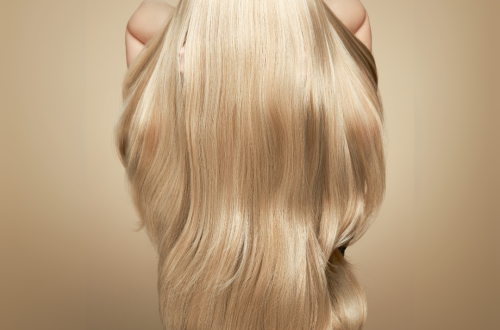
Fall Hair Care Guide: How to Repair Summer Damage and Prepare Your Hair for Cooler Months
As the seasons change, your beauty routine deserves a refresh, and your hair is one of the first areas that needs extra attention. After months of sun exposure, heat styling, swimming, humidity, and outdoor activities, many people notice that their hair feels dry, brittle, frizzy, or harder to manage as fall arrives. Summer may bring effortless beach waves and lighter styles, but the combination of UV rays, chlorine, salt water, and frequent washing can leave behind damage that becomes more noticeable during the cooler months. A proper fall hair care routine can help restore moisture, repair weakened strands, and prepare your hair for the colder weather ahead.
Fall is the perfect time to focus on hair repair and create healthier habits before winter’s harsher conditions take over. Cooler temperatures, lower humidity levels, indoor heating, and environmental changes can cause additional dryness and breakage if your hair is not properly protected. By adjusting your hair care routine with nourishing treatments, gentle styling techniques, and seasonal products, you can maintain soft, shiny, and healthy-looking hair throughout autumn and beyond.
Understanding Summer Hair Damage
Before creating a fall hair care routine, it is important to understand what caused your hair damage during the summer months. While warm weather can be enjoyable, your hair often experiences more stress than you realize. Extended sun exposure is one of the biggest contributors to seasonal hair damage. Just like your skin, your hair can be affected by UV rays. Too much sun can weaken the hair’s outer layer, making strands appear dull, rough, and more prone to breakage.
Swimming is another common cause of summer hair problems. Chlorine from pools can strip away natural oils that keep hair moisturized, while salt water can create dryness and leave the hair feeling stiff or tangled. People who spend more time outdoors during summer may also wash their hair more frequently, which can remove protective oils and make the scalp feel dry.
Heat styling is another factor that can contribute to summer damage. Blow dryers, curling irons, and straighteners can weaken the hair’s structure, especially when combined with already dry or sun-exposed strands. By the time fall arrives, your hair may need extra care to recover from months of stress.
Recognizing these signs early allows you to adjust your routine before the damage becomes more difficult to manage. Common signs of summer hair damage include split ends, increased frizz, lack of shine, rough texture, excessive shedding, and difficulty holding moisture.
Start With a Hair Repair Routine
The first step in preparing your hair for fall is focusing on repair. Damaged hair requires hydration, nourishment, and protection to regain a healthier appearance. One of the easiest ways to begin is by switching to products designed for moisture restoration.
During fall, look for shampoos and conditioners that contain nourishing ingredients such as argan oil, coconut oil, shea butter, keratin, hyaluronic acid, and botanical extracts. These ingredients can help improve the look and feel of dry hair while supporting smoother, softer strands.
Avoid shampoos that are overly harsh or contain ingredients that may leave your hair feeling stripped. Instead, choose gentle formulas that cleanse the scalp while maintaining moisture balance. Your scalp health plays an important role in overall hair health, so keeping it hydrated and comfortable is essential.
A weekly deep conditioning treatment can also make a significant difference. Hair masks are especially beneficial during seasonal transitions because they provide concentrated moisture and help restore softness. Apply a nourishing mask once a week, focusing on the mid-lengths and ends where damage usually appears most.
For extremely dry or damaged hair, consider incorporating a leave-in conditioner or hair oil into your routine. These products create a protective barrier, reduce the appearance of frizz, and help lock in hydration throughout the day.
Trim Away Summer Damage
One of the most effective ways to refresh your hair for fall is by getting a trim. While hair products can improve the appearance of damaged strands, they cannot completely repair split ends. Regular trims help remove weakened ends and prevent splitting from traveling further up the hair shaft.
You do not necessarily need a dramatic haircut to improve your hair’s appearance. A small trim can help restore shape, improve movement, and make your hair look healthier. Fall is also a great season to experiment with a new haircut if you want a fresh start after summer.
Popular fall hairstyles often include layered cuts, soft waves, natural textures, and styles that create volume without excessive heat styling. A haircut that works with your natural hair texture can make your daily routine easier and reduce the need for damaging styling tools.
Protect Your Hair From Cooler Weather
While fall weather is generally milder than winter, cooler temperatures can still affect your hair. As the air becomes drier, your hair may lose moisture more quickly, leading to frizz and dryness. Preparing your hair early can help prevent seasonal damage.
One of the best fall hair care tips is to avoid leaving your hair wet for long periods in cold weather. Wet hair is more fragile and more likely to break. Allow your hair to dry naturally when possible, or use a blow dryer on a lower heat setting with a heat protectant.
A quality heat protectant is essential if you regularly style your hair. Heat protectants create a protective layer around each strand and help reduce damage caused by styling tools. This simple step can make a major difference in maintaining healthy-looking hair.
You should also consider protecting your hair from environmental exposure. Wearing hats, scarves, or protective hairstyles on colder days can help reduce the effects of wind and dry air. However, avoid wearing tight hairstyles too often, as excessive tension can contribute to breakage.
Adjust Your Hair Washing Routine
Your summer hair routine may not work as well during fall. Hot weather often leads to more frequent washing due to sweat, humidity, and outdoor activities. As temperatures drop, you may need to adjust your routine to prevent dryness.
Washing your hair too often can remove natural oils that help keep strands healthy and moisturized. Depending on your hair type, you may benefit from washing less frequently and using dry shampoo between washes when needed.
When washing your hair, focus shampoo primarily on the scalp rather than the ends. The scalp is where oil and buildup accumulate, while the ends usually need more moisture and gentle care. Always follow shampoo with conditioner to help maintain softness and manageability.
The ideal washing schedule depends on your hair texture, lifestyle, and scalp needs. People with curly or textured hair may need fewer washes, while those with oily scalps may require more frequent cleansing. The goal is to maintain balance without creating unnecessary dryness.
Focus on Scalp Health
Healthy hair starts at the scalp. Many people focus only on the appearance of their hair but overlook the importance of scalp care. During fall, changes in weather can affect scalp comfort, causing dryness, irritation, or increased sensitivity.
A gentle scalp massage can improve circulation and create a relaxing self-care moment. Massaging the scalp while shampooing can help remove buildup and support a healthy environment for hair growth.
Scalp treatments with ingredients like tea tree oil, peppermint, aloe vera, or soothing botanical extracts can help maintain scalp balance. However, it is important to choose products based on your specific scalp needs and avoid using too many treatments at once.
Keeping your scalp healthy also means maintaining a balanced lifestyle. Proper hydration, nutritious foods, adequate sleep, and stress management all contribute to healthier hair.
Nourish Your Hair From the Inside
Hair care is not only about what you apply externally. Nutrition plays an important role in supporting strong, healthy-looking hair. After summer, your hair may benefit from a nutrient-focused approach that supports overall wellness.
Protein is especially important because hair is primarily made of keratin, a type of protein. Including protein-rich foods such as eggs, fish, lean meats, beans, and nuts can support hair strength.
Vitamins and minerals also contribute to healthy hair. Nutrients such as biotin, vitamin D, zinc, iron, and omega-3 fatty acids are commonly associated with hair health. A balanced diet filled with fruits, vegetables, whole grains, and healthy fats can provide important nutrients your hair needs.
Drinking enough water is another simple but effective habit. Hydrated skin and hair often reflect overall hydration levels, so maintaining proper fluid intake can support a healthier appearance.
Reduce Heat Styling During Fall
Fall is an ideal time to embrace natural hairstyles and give your hair a break from excessive heat. Constant use of hot tools can continue weakening strands that are already recovering from summer damage.
Try experimenting with heat-free hairstyles such as braids, overnight waves, buns, or natural texture styles. These options can create beautiful looks while minimizing stress on your hair.
When you do use heat styling tools, always apply a heat protectant first and avoid using the highest temperature setting. Taking small protective steps can help maintain stronger, healthier hair over time.
Create a Seasonal Hair Care Schedule
Consistency is what creates long-term results. Instead of waiting until your hair feels extremely damaged, create a simple fall hair care schedule that supports ongoing maintenance.
Weekly deep conditioning treatments, regular trims, gentle cleansing, and protective styling can help your hair transition smoothly into colder months. Your routine does not need to be complicated. The most effective hair care habits are often the ones you can maintain consistently.
Pay attention to how your hair responds to changes in weather and adjust your products and techniques accordingly. Every hair type is different, so your fall routine should be customized to your individual needs.
Final Thoughts on Fall Hair Care
Fall is a season of change, making it the perfect time to refresh your beauty routine and focus on healthier hair habits. After months of sun exposure, heat styling, and environmental stress, your hair deserves extra care and attention. By repairing summer damage, increasing hydration, protecting your strands, and maintaining a consistent routine, you can restore softness, shine, and strength.
A successful fall hair care routine is not about using the most products or following every trend. It is about understanding what your hair needs and creating habits that support long-term health. With the right approach, your hair can look beautiful throughout autumn and remain strong as you move into the colder months ahead.

You May Also Like
The Future of Beauty: Trends, Innovations, and Timeless Tips for 2025
The October Girl Era Has Arrived