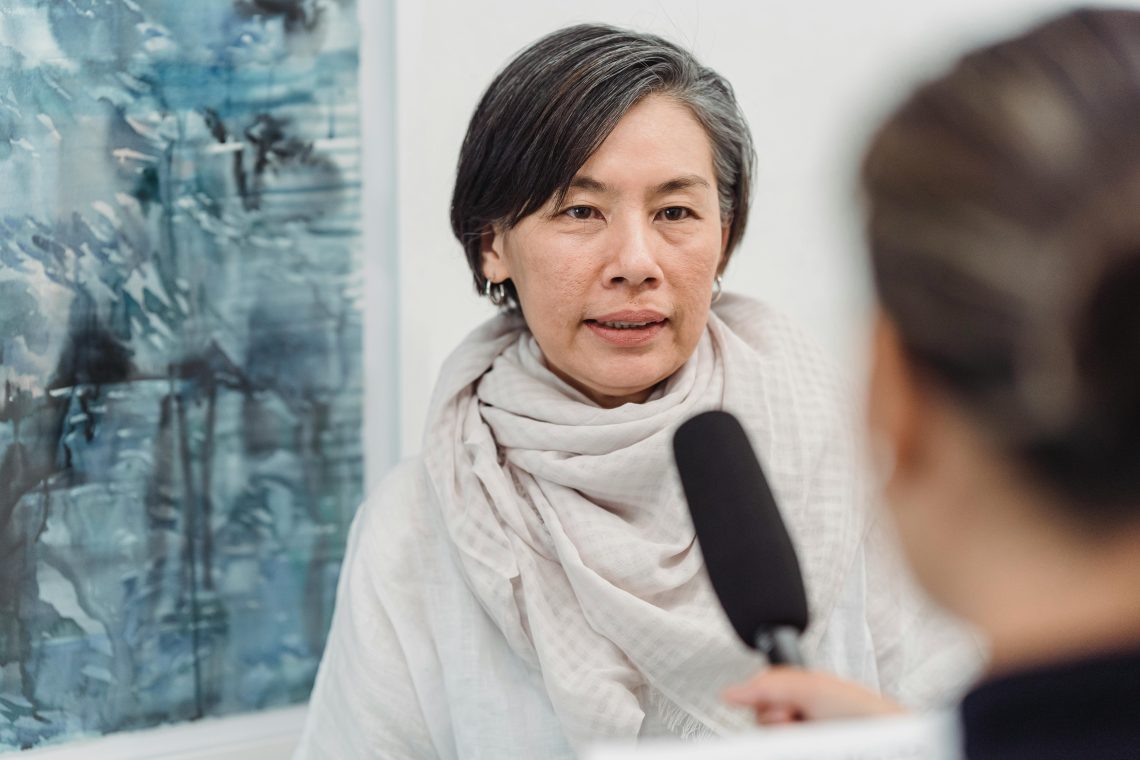
Reporting from the Front Lines: The Unique Challenges and Triumphs of Female War Correspondents and Investigative Journalists
The images of war and complex investigations are often etched into our collective memory by the brave individuals who bring them to us. For too long, the narrative of the intrepid, fearless reporter embedded in conflict zones or tirelessly unearthing corruption was largely a male one. Yet, quietly, persistently, and often against immense odds, women have been reporting from the front lines for well over a century, challenging gender norms, facing unique dangers, and delivering groundbreaking journalism. The unique challenges and triumphs of female war correspondents and investigative journalists are not just stories of personal courage; they are testament to their resilience, their distinct journalistic contributions, and their unwavering commitment to bringing truth to light, often in the face of both the enemy and systemic gender bias.
Historically, female war correspondents were rare, often needing to disguise themselves or pull strings to gain access to battlefields. Figures like Martha Gellhorn, who stowed away on a hospital ship to cover D-Day, defied explicit bans. Margaret Bourke-White was the first female war photographer accredited to the US armed forces. These pioneers paved the way, but even as more women entered journalism, the deeply embedded perception remained that conflict reporting was “too dangerous” or “too gritty” for women, leading to a host of unique challenges.
Unique Challenges Faced by Female War Correspondents and Investigative Journalists:
- Safety and Security (Gendered Risks): While all journalists in dangerous environments face risks, women confront specific, gendered threats.
- Sexual Violence: This is arguably the most pervasive and underreported threat. Female journalists are disproportionately targeted for sexual assault, rape, and harassment, often used as a weapon to silence them or as a consequence of their perceived vulnerability. This risk extends beyond conflict zones into any environment where women are working alone or in male-dominated fields.
- Cultural Barriers and Access: In some conservative societies, female journalists may face restrictions on movement, dress codes, or be denied access to male sources or certain areas, limiting their ability to report comprehensively.
- Credibility Bias: Even on the front lines, some sources or colleagues might question a female reporter’s toughness or expertise, making it harder to gain trust or be taken seriously.
- Family and Societal Pressure: Female journalists may face greater societal pressure regarding their roles as mothers or caregivers, making it harder to justify dangerous assignments to family or even to themselves.
- Online Harassment and Misinformation (Weaponized Sexism): This is a contemporary and escalating threat. Female journalists, especially those covering sensitive or politically charged topics, are subjected to disproportionately high levels of online abuse. This often includes:
- Sexualized Threats and Trolling: Rape threats, slut-shaming, and highly misogynistic language.
- Doxing: Publishing personal information (home address, phone number) to facilitate offline harassment.
- Coordinated Disinformation Campaigns: Being targeted with false narratives, doctored images, or deepfakes designed to discredit their work, undermine their credibility, and silence them. This “digital violence” can be as debilitating as physical threats.
- Workplace Bias and Lack of Support:
- “Soft News” Trap: Despite their capabilities, women are still sometimes steered towards “softer” beats or human-interest stories, rather than hard-hitting investigative or foreign policy assignments.
- Lack of Resources/Training: Some news organizations may be less likely to invest in hostile environment training or provide adequate security resources for female journalists, citing perceived higher risk or cost.
- Exclusion from Informal Networks: Women can be excluded from male-dominated networks where crucial information is often exchanged or career-advancing opportunities arise.
Triumphs and Unique Contributions of Female War Correspondents and Investigative Journalists:
Despite these formidable challenges, women have not only persevered but have excelled, bringing unique and invaluable contributions to journalism:
- Humanizing the Story: Many female journalists are renowned for their ability to bring a distinct human dimension to their reporting. They often focus on the impact of conflict and corruption on civilians, women, and children, giving voice to those most often unheard. This isn’t to say male journalists don’t do this, but many female correspondents consciously broaden the narrative beyond military maneuvers to include the profound human cost. This perspective resonates deeply with audiences and often provides a more complete picture of complex situations.
- Access to Diverse Sources: In many cultures, female reporters can gain access to women and children that male reporters cannot, providing invaluable insights into communities, family dynamics, and social issues in conflict zones or sensitive investigations. This unique access broadens the scope and depth of reporting.
- Unflinching Resilience and Courage: The sheer determination required to overcome systemic biases, personal threats, and the inherent dangers of the job speaks to an extraordinary level of resilience. Women journalists who operate in these environments often possess an unwavering commitment to truth and justice, demonstrating profound courage in the face of adversity.
- Breaking Ground on Sensitive Issues: Women journalists have often been at the forefront of reporting on gender-based violence, sexual assault as a weapon of war, and women’s rights in repressive regimes. Their willingness to tackle these often-taboo subjects shines a light on critical humanitarian issues that might otherwise remain hidden.
- Innovation in Storytelling: Many female journalists have embraced innovative storytelling techniques, from immersive multimedia projects to long-form narratives, to convey the realities of their reporting with impact and nuance, ensuring their stories reach diverse audiences.
- Pioneering New Approaches to Security: The heightened risks faced by women have spurred new initiatives and best practices for journalist safety, including gender-specific security training, safe houses, and support networks. Organizations like the International Women’s Media Foundation (IWMF) are critical in addressing these specific needs.
Looking Ahead: Building a Safer and More Inclusive Future:
For today’s aspiring female journalists, the path is still challenging, but there is also a growing recognition of the unique value women bring to the front lines.
- Greater Training and Support: News organizations must provide comprehensive, gender-sensitive safety training and robust psychosocial support for journalists operating in high-risk environments.
- Combatting Online Abuse: Platforms and news organizations must collaborate more effectively to combat online harassment, hold perpetrators accountable, and provide better digital security tools and resources for female journalists.
- Promoting Diverse Leadership: As discussed in the previous blog, having more women in leadership roles can trickle down to better support, resources, and opportunities for female correspondents.
- Celebrating and Elevating Their Work: Actively promoting and recognizing the groundbreaking work of female war correspondents and investigative journalists helps to normalize their presence in these fields and inspire the next generation.
Reporting from the front lines, whether of a physical conflict or a complex corruption scandal, is inherently dangerous. But the extraordinary courage and distinct contributions of female war correspondents and investigative journalists have undeniably enriched our understanding of the world. Their triumphs are not just personal victories; they are a vital force for truth, empathy, and accountability in an increasingly complex global landscape, ensuring that crucial stories are told with all the nuance and humanity they deserve.


You May Also Like
Seven Years, One Customary Truth: Enhle Mbali Mlotshwa’s Landmark Divorce Victory Against DJ Black Coffee

The Digital Reckoning: Women Journalists Navigating Online Harassment, Misinformation, and Building Digital Security