
The New Friendship Economy Built Around Fandoms
Friendships used to form through neighborhoods, schools, workplaces, and shared routines. Today, a growing number of meaningful connections are being built in a different place: fandoms.
Whether centered around music, television, sports, books, gaming, or online creators, fan communities have evolved into powerful social spaces where people connect over shared interests and experiences. What begins as enthusiasm for a piece of entertainment often develops into genuine friendships that extend far beyond the original fandom.
This shift reflects how social interaction is changing in the digital age. Instead of being limited by geography, people can now form relationships with others who share the same passions regardless of where they live. Common interests often become the foundation for deeper conversations and lasting bonds.
Communities built around figures such as Hozier, Pedro Pascal, and Chappell Roan demonstrate how fandoms can create vibrant online spaces where members interact, collaborate, and support one another.
Social media platforms have accelerated this trend by making it easier than ever to find like-minded people. Fan accounts, discussion groups, live chats, and community forums allow individuals to participate in conversations that continue long after a show ends or an album is released.
What makes these communities unique is that they often provide more than entertainment. Many become support networks where people celebrate milestones, share advice, and maintain friendships that exist independently of the original interest that brought them together.
Events also strengthen these bonds. Concerts, conventions, fan meetups, and live-streamed experiences create opportunities for online relationships to become real-world connections. For many people, these gatherings feel more like reunions than entertainment events.
Another reason fandom-based friendships are thriving is that they offer a sense of belonging. Shared enthusiasm creates an immediate point of connection, reducing the social barriers that can make forming friendships difficult in adulthood.
Brands and entertainment companies have noticed this shift as well. Increasingly, success is measured not just by audience size but by the strength and engagement of the communities that form around a cultural property.
The rise of these social spaces has also changed how people spend their time online. Instead of passively consuming content, many are actively participating in communities that provide conversation, collaboration, and connection.
Ultimately, fandoms are becoming more than hobbies—they are becoming social ecosystems. In a world where traditional forms of community can feel harder to maintain, shared passions are creating new opportunities for friendship, belonging, and meaningful human connection.
References
- Pew Research Center – Online Communities and Social Connection
- Harvard Business Review – Community Building in the Digital Age
- MIT Technology Review – Digital Communities and Culture
- BBC Future – Friendship and Social Trends
- Psychology Today – Belonging and Community Formation
- Reuters Institute – Social Media and Audience Behavior


You May Also Like
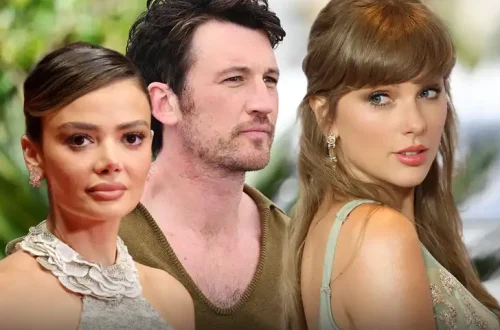
Taylor Swift Wedding Rumors: Miles Teller and Keleigh Teller Allegedly Skipping Due to Rift Explained
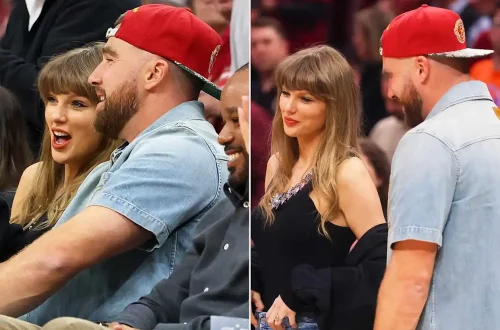
Taylor Swift and Travis Kelce Pack on PDA at Cavaliers vs Knicks Game: Full Breakdown of Their Courtside Appearance