Why Going To The Movies Became A Girls’ Night Again
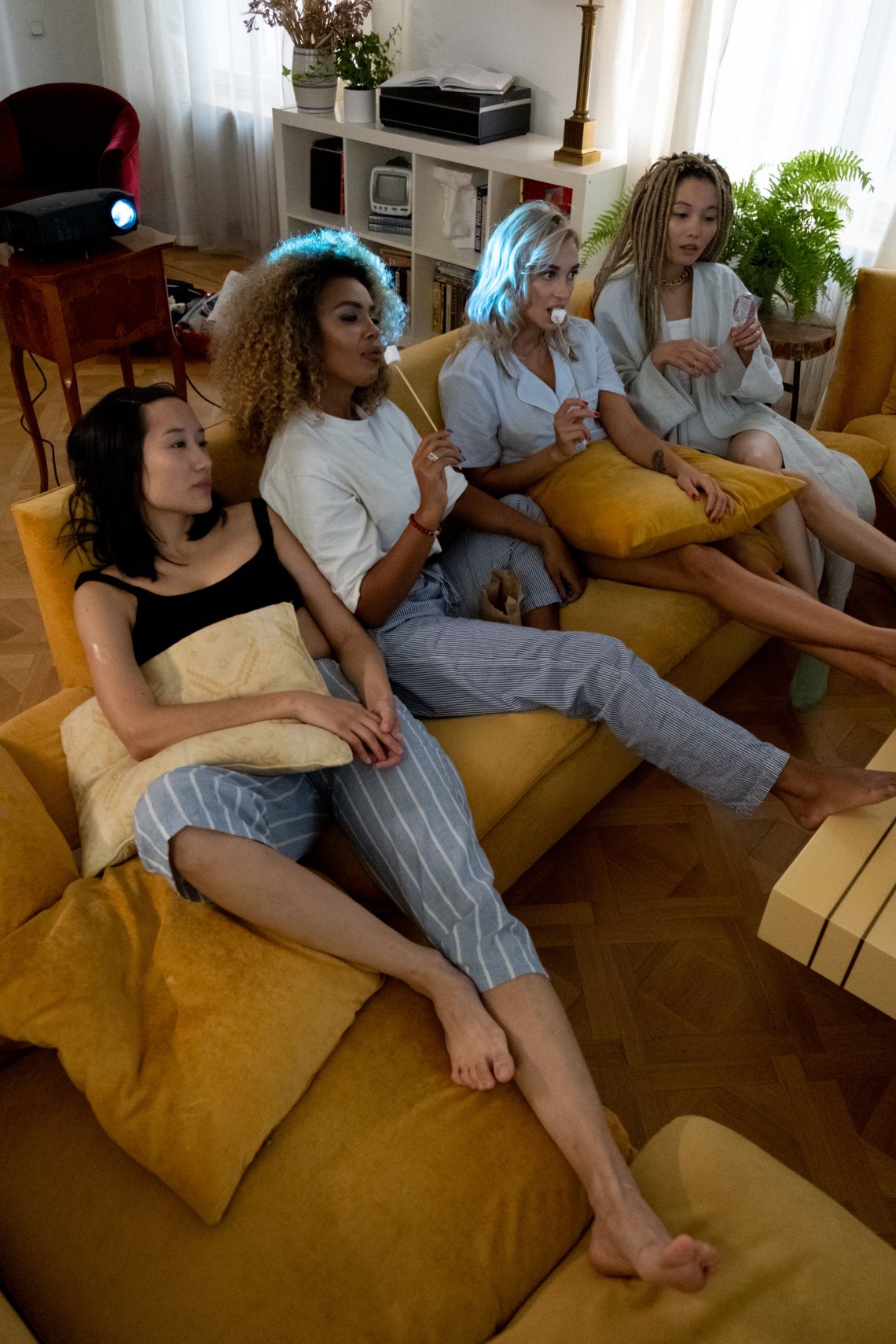
Going to the movies is becoming more than simply sitting in a theater and watching a film. For many women, movie nights are turning into full social experiences—complete with coordinated outfits, themed snacks, beauty looks, group chats, photos, and post-movie conversations. The theater is becoming a destination for connection as much as entertainment.
For years, streaming services made it easier than ever to watch movies at home. Audiences could wait for a release to arrive on a platform, order food, and watch from the comfort of the couch. While that convenience remains popular, certain films are reminding audiences why watching something together in a theater can feel different.
Fandom is a major part of the comeback.
When audiences feel strongly connected to a movie, watching it can become an event rather than an ordinary activity. Friends make plans around the release, discuss their expectations beforehand, choose outfits, and share reactions afterward. The movie becomes the centerpiece of a larger social experience.
Social media has helped turn these experiences into cultural moments. Photos from theater outings, themed looks, reaction videos, and fan-created content can spread across platforms and encourage other people to participate. Seeing groups of friends enjoying a movie together can create a sense that missing the experience means missing out on something bigger.
This is particularly noticeable when movies inspire strong aesthetics. A film’s costumes, characters, colors, or soundtrack can influence what audiences wear to the theater. What someone chooses to wear becomes part of the fandom experience, allowing them to visually participate in the world of the movie.
The experience can also extend beyond the theater. Friends may organize dinner before a screening, visit themed pop-ups, recreate scenes, discuss favorite characters, or continue conversations in group chats afterward. The movie becomes a reason to spend time together rather than the entire purpose of the outing.
That social element is especially valuable in an increasingly digital world. People spend significant amounts of time communicating through phones and social platforms, but shared physical experiences remain important. Going to the movies creates a temporary environment where friends can put their phones aside, laugh together, react to the same scenes, and experience a story at the same time.
Movie fandom can also create new friendships. Online communities may introduce people to others who share their interests, while in-person fan events and screenings provide opportunities to connect beyond digital spaces.
The resurgence of social moviegoing is also valuable for the film industry. When audiences treat a release as an event, they are more likely to purchase tickets, share content, recommend the film, and encourage others to participate. A successful movie can therefore create a cycle where fandom drives attendance and attendance strengthens the cultural conversation.
The most successful releases may increasingly be those that offer audiences something to experience together. Spectacle matters, but so does emotional connection, recognizable characters, memorable music, fashion, and a sense of belonging.
This helps explain why movie nights are finding new life. The appeal is not simply the film itself.
It is everything surrounding it.
Getting ready with friends. Choosing what to wear. Finding the perfect snacks. Taking pictures before the lights go down. Laughing at the same moments. Debating the ending afterward.
In a world where almost everything can be streamed instantly, the experience of going somewhere together has become valuable again.
The movie may be the reason for the night.
But the memories made around it are what make people want to go back.


You May Also Like

Why Smaller Friend Groups Feel Richer
Empowered & Unstoppable: The Complete Guide to Women’s Strength, Confidence, and Leadership