Why Doing Less Is Becoming More Rewarding
For years, being busy was often viewed as a sign of success. Packed calendars, endless commitments, and constant productivity became symbols of ambition and achievement. Many people measured their lives by how much they could accomplish in a single day. However, a quiet lifestyle shift is taking place: more people are choosing meaningful weekends over schedules filled with endless activities.
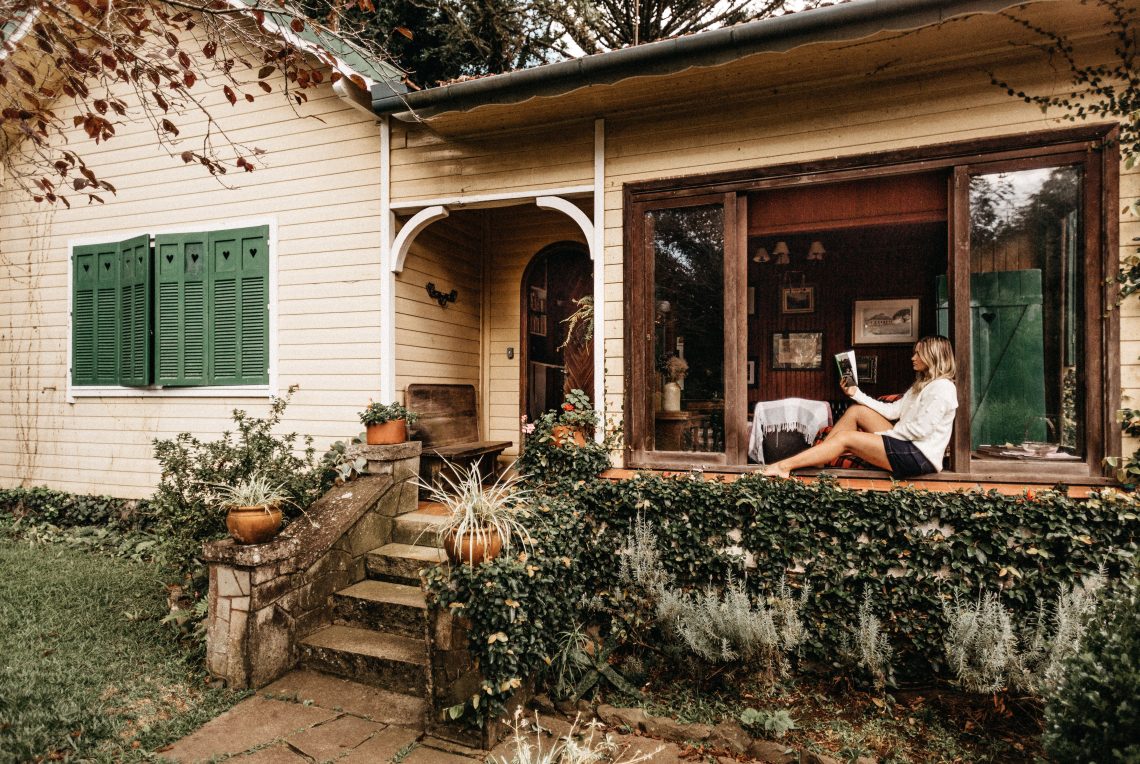
The idea of doing less is no longer associated with laziness or a lack of ambition. Instead, many people are discovering that slowing down can create more space for connection, creativity, health, and personal fulfillment. A weekend without constant obligations is becoming a valuable form of luxury.
This shift reflects a broader change in how people define a successful life. Rather than focusing only on productivity and achievement, many are prioritizing experiences that improve overall well-being. A peaceful morning, quality time with loved ones, a personal hobby, or simply having time to recharge can now feel more rewarding than a weekend filled with back-to-back plans.
One reason this change is happening is growing awareness of burnout. Modern life provides more ways to stay connected than ever before, but constant availability can create mental exhaustion. Phones, notifications, and digital responsibilities often make it difficult to fully disconnect, even during personal time.
As a result, many people are becoming more intentional about how they spend their free time. Instead of automatically saying yes to every invitation or activity, they are asking whether experiences genuinely add value to their lives. This mindset shift has made weekends less about staying busy and more about creating meaningful moments.
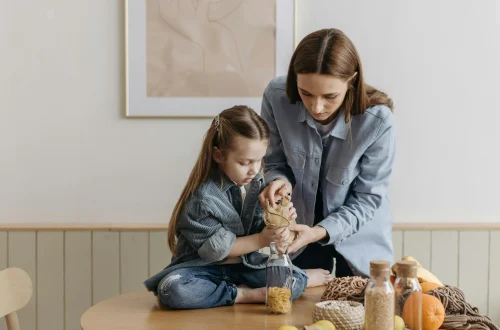
The rise of slow living has influenced this movement as well. Slow living encourages people to appreciate everyday experiences rather than constantly rushing toward the next goal. Cooking a meal at home, taking a walk, reading a book, gardening, or spending uninterrupted time with family can become meaningful activities rather than simple routines.
Social media has played an interesting role in this transformation. While online platforms often encourage comparison and highlight busy lifestyles, they have also created communities focused on simplicity, wellness, and intentional living. More people are sharing content centered around quiet mornings, peaceful routines, home projects, and personal growth.
Travel habits have changed too. Instead of planning exhausting itineraries designed to maximize every moment, many travelers are choosing slower experiences. Longer stays, local exploration, nature trips, and relaxing getaways are becoming increasingly appealing because they allow people to truly experience a place rather than simply visit it.
The concept of “quiet weekends” has also gained popularity among younger generations. After years of fast-paced digital culture, many people are seeking activities that provide a sense of calm. Offline hobbies, creative projects, and time spent away from screens have become valuable ways to restore energy.
Relationships are another major reason people are embracing slower weekends. Meaningful connections often require time and attention. A simple dinner with friends, a conversation without distractions, or spending time with family can create stronger bonds than attending multiple social events without genuine connection.
This shift is also changing consumer behavior. Many people are investing less in collecting more things and more in experiences that improve their quality of life. Comfortable homes, wellness products, hobbies, and activities that support personal happiness are becoming priorities.
The idea of doing less does not mean people are abandoning goals or ambition. Instead, it represents a more balanced approach to achievement. Many successful individuals recognize that creativity, focus, and motivation improve when they allow themselves time to rest and recover.
Even workplaces are beginning to recognize the value of recovery. Companies are exploring flexible schedules, wellness programs, and policies that encourage employees to maintain healthier boundaries. The understanding that rest supports better performance is becoming increasingly accepted.
This lifestyle shift also reflects changing attitudes toward time. Many people are realizing that free time is one of the most valuable resources they have. Unlike money or possessions, time cannot be replaced once it is gone. Choosing how to spend it has become an important part of personal well-being.
The appeal of meaningful weekends comes from their ability to create lasting memories. A busy schedule may create the feeling of accomplishment, but slower experiences often create deeper emotional connections. The moments people remember most are frequently the simple ones: conversations, laughter, exploration, and shared experiences.
Ultimately, doing less is becoming more rewarding because people are redefining what fulfillment looks like. A meaningful life is not measured only by how much someone accomplishes, but also by how present they are for the moments that matter.
The modern weekend is becoming less about escaping exhaustion and more about intentionally creating a life people actually enjoy living. Sometimes, the most valuable thing you can add to your schedule is empty space.
References
- American Psychological Association – Stress Management and Mental Well-Being Research
- Harvard Health Publishing – Relaxation, Recovery, and Health Research
- Pew Research Center – Lifestyle, Technology, and Social Behavior Studies
- McKinsey & Company – Consumer Lifestyle and Wellness Trends Research
- World Health Organization – Mental Health and Well-Being Resources
- Deloitte – Consumer and Workplace Lifestyle Trends Reports


You May Also Like

Strong Girls, Strong World: Stories of Female Trailblazers

Why Women Feel Insecure Around Other Women—and How to Turn Comparison Into Confidence