The Lifestyle Shift Making Women Happier
For years, modern culture celebrated being constantly busy. Packed schedules, endless social commitments, and the pressure to always achieve became symbols of success.
But a new lifestyle shift is emerging.
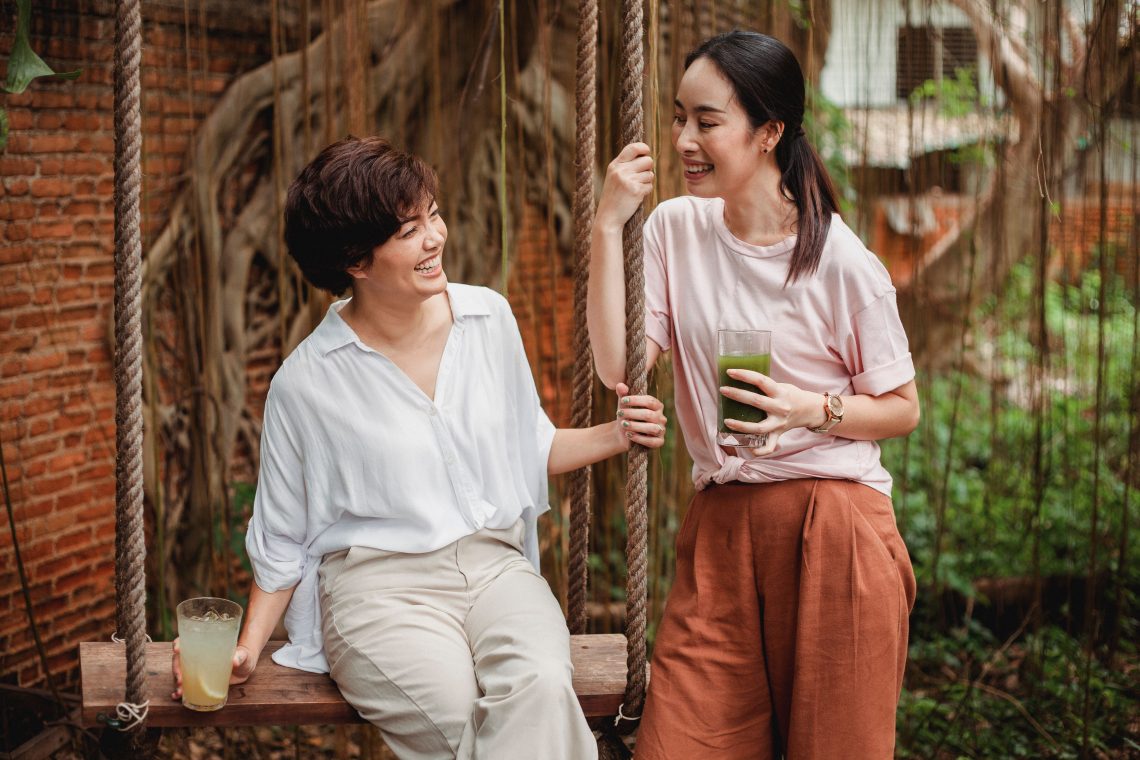
More women are choosing slower weekends, deeper friendships, and more intentional ways of living. Instead of measuring life by how much they can accomplish, many are focusing on how meaningful their experiences feel.
The goal is no longer simply doing more.
It is creating a life that feels more fulfilling.
This movement reflects a growing desire for balance. After years of fast-paced routines and digital overload, many people are recognizing the value of rest, reflection, and spending time on relationships that truly matter.
Slow living is becoming less about doing nothing and more about making thoughtful choices.
For many women, weekends are changing from periods of catching up on responsibilities into opportunities for renewal. Instead of filling every available moment with activities, they are creating space for hobbies, wellness routines, family time, and personal interests.
A slower pace can provide room to reconnect with what brings genuine happiness.
Friendships are also becoming more intentional. Many women are moving away from maintaining large social circles and focusing instead on meaningful connections with people who provide support, encouragement, and understanding.
Quality is becoming more important than quantity.
This shift reflects changing ideas about social connection. In a world where people can have hundreds or thousands of online connections, many are recognizing the importance of relationships that exist beyond likes, comments, and digital interactions.
Real conversations and shared experiences are becoming increasingly valuable.
Technology has played a complicated role in this change. While social media allows people to stay connected, constant notifications and online comparison can also create stress.
Many women are now setting healthier boundaries with technology, creating moments where they can disconnect and focus on the present.
Digital balance has become part of intentional living.
Wellness has also become closely connected to this lifestyle shift. Rather than focusing only on appearance or quick transformations, many women are prioritizing mental well-being, emotional health, and sustainable routines.
Morning rituals, mindful activities, movement, and self-care practices are becoming ways to create stability in everyday life.
The idea of self-care has expanded beyond occasional treats.
It is becoming a regular practice of protecting time, energy, and personal needs.
Career choices are also being influenced by this movement. More women are considering flexibility, purpose, and personal fulfillment when making professional decisions.
Success is increasingly defined not only by achievements but also by the ability to create a lifestyle that supports happiness.
This has encouraged conversations around boundaries, work-life balance, and designing careers that fit individual goals.
Intentional living does not mean avoiding ambition.
Instead, it means being more selective about where time and energy are invested.
The popularity of this mindset shows a larger cultural change. People are becoming more interested in experiences, relationships, and emotional well-being rather than constantly chasing external expectations.
A meaningful life is becoming the new measure of success.
The future of lifestyle trends may continue moving toward simplicity, connection, and balance. While productivity and achievement will always matter, more people are recognizing that happiness also comes from slowing down and appreciating everyday moments.
The best weekends may not be the busiest ones.
They may be the ones that leave people feeling restored, connected, and inspired.
Because a fulfilling life is not created by doing everything.
It is created by choosing what truly matters.
References
- Tootsii: https://tootsii.net
- Harvard Health Publishing – Happiness and Social Connection Research: https://www.health.harvard.edu
- American Psychological Association – Relationships and Well-Being Research: https://www.apa.org
- Greater Good Science Center – Mindfulness and Happiness Research: https://greatergood.berkeley.edu
- Deloitte – Lifestyle and Consumer Behavior Trends: https://www.deloitte.com
- Pew Research Center – Social Connection and Digital Life Research: https://www.pewresearch.org


You May Also Like

Empowered & Unstoppable: The Complete Guide to Women’s Strength, Confidence, and Leadership
Balancing Career, Motherhood, and Personal Growth as a Modern Woman