Beyond the Angel Wings: Confidence, Beauty Standards and Finding Your Own Style
Fashion events have always been about more than the clothes on the runway. Behind the elaborate wings, sparkling outfits, dramatic makeup, and carefully choreographed performances lies a much bigger conversation about identity, confidence, representation, and what it means to feel beautiful.
Major fashion shows can capture the world’s attention in a matter of hours. Photographs circulate across social media, celebrities become trending topics, and audiences debate everything from the most memorable outfits to the models who made the strongest impression. Yet some of the most meaningful moments are not necessarily the most glamorous. They are the moments that challenge expectations, introduce different perspectives, and encourage women to rethink the standards they have been taught to follow.
The question is no longer simply who looked the best. Increasingly, it is about who felt authentic, who felt represented, and who reminded audiences that beauty does not have to fit a single definition.
The Runway Is Bigger Than the Outfit
Fashion shows are carefully constructed performances. Every detail contributes to the experience, from the music and lighting to the styling, casting, and movement of the models. The runway creates an atmosphere where clothing becomes part of a larger story.
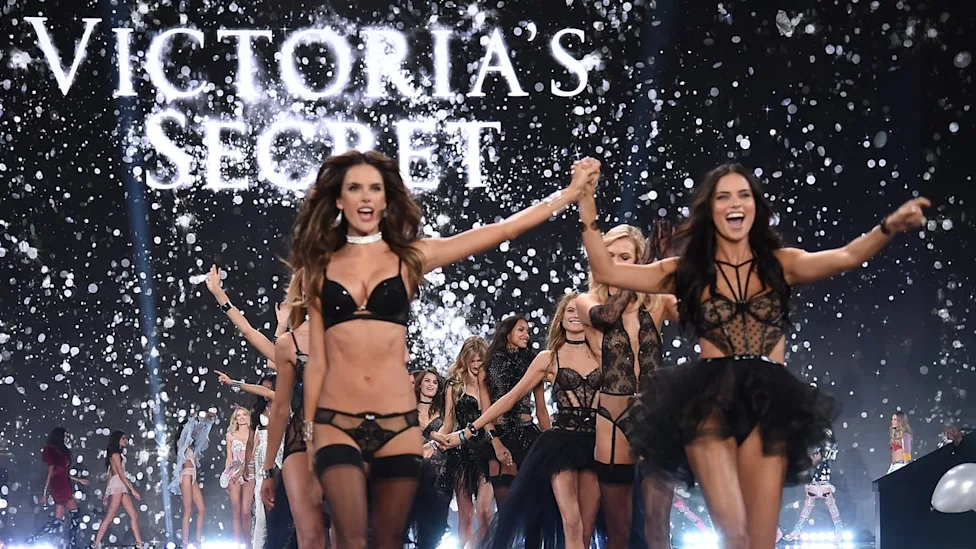
Events such as the Victoria’s Secret Fashion Show demonstrate how fashion can combine entertainment, spectacle, and commercial branding. Signature wings, elaborate lingerie, statement accessories, and dramatic presentations create instantly recognizable images. These details are designed to capture attention, but they also invite questions about the ideals of femininity and beauty that fashion promotes.
For years, many fashion campaigns relied on a narrow image of the ideal woman. Certain body proportions, facial features, skin tones, and age ranges received more visibility than others. Although fashion has never been entirely uniform, the industry’s most influential images often made beauty appear like a standard that women were expected to achieve.
Today’s audiences are increasingly willing to question that standard.
Viewers are discussing not only the garments but also the range of women represented in campaigns, the messages communicated by styling choices, and the difference between celebrating beauty and prescribing it. A spectacular runway can still be entertaining while also prompting conversations about the cultural expectations surrounding women’s appearances.
That is part of what makes fashion culturally significant. It reflects the world around it, but it can also influence how people imagine themselves within that world.
Confidence Cannot Be Measured by Appearance
One of the most persistent misconceptions about confidence is that it comes from looking a particular way. Popular imagery can make confidence appear effortless, as though it automatically follows from having the right body, wardrobe, hairstyle, or makeup routine.
Real confidence is more complicated.
It develops through self-acceptance, experience, personal boundaries, and the willingness to make choices without constantly seeking approval. Someone can enjoy dressing up and still have insecurities. Another person may feel most comfortable in simple clothing and minimal makeup. Neither approach is more valid than the other.
Fashion can become a useful tool for expressing confidence when it allows people to explore who they are rather than forcing them to imitate someone else.
A dramatic dress might make one woman feel powerful. A tailored suit might help another feel composed and professional. A colorful outfit, vintage accessories, comfortable sneakers, or a favorite everyday uniform can communicate personality just as effectively.
The important distinction is whether the choice feels personal.
When women begin dressing according to their own preferences instead of an imagined audience’s expectations, clothing becomes less about hiding perceived imperfections and more about communicating individuality.
Confidence does not require a perfect appearance. It allows room for a person to feel comfortable while still growing, experimenting, and changing.
Beauty Standards Are Changing, but the Pressure Has Not Disappeared
The modern beauty conversation is more diverse than it was in previous decades, but that does not mean appearance-related pressure has vanished.
Women now encounter an enormous range of beauty content online. They may see body-positive campaigns, makeup tutorials, natural-skin photography, luxury fashion editorials, fitness transformations, and highly edited influencer images within the same scrolling session.
This variety can be empowering. It can introduce people to new aesthetics, different body types, and communities that celebrate characteristics that were once overlooked.
However, constant exposure to images can also create new expectations.
Instead of one narrow ideal, social media may present dozens of competing ideals: effortless natural beauty, perfectly styled minimalism, sculpted fitness aesthetics, glamorous femininity, expensive-looking fashion, or the appearance of having a perfectly balanced life.
The pressure can change its appearance without disappearing.
Even messages about self-love can become another standard when women feel they must always look confident, embrace every feature, or demonstrate constant positivity. Personal growth does not work that way. People can appreciate themselves while still having difficult days or wanting to change aspects of their appearance.
A healthier approach recognizes that beauty is not a test that women must pass.
It is possible to enjoy makeup without needing to conceal every perceived flaw. It is possible to appreciate fashion trends without purchasing every new item. It is possible to admire a model’s appearance without treating it as a benchmark for one’s own body.
The goal is not to replace one rigid standard with another. It is to create more freedom in how beauty is understood and experienced.
Representation Matters Because Visibility Shapes Possibility
Representation is an important part of the discussion surrounding major fashion events. When audiences see women with different body types, skin tones, ages, cultural backgrounds, and personal styles represented meaningfully, they encounter a broader picture of who can participate in fashion and beauty culture.
Visibility can influence how people imagine their own possibilities.
A woman who rarely sees her features reflected in mainstream advertising may find it meaningful to encounter a campaign that celebrates those features. Someone who has felt excluded by conventional fashion sizing may appreciate designers who offer more inclusive options. A mature woman may welcome imagery that treats style as something that continues evolving throughout life.
Representation does not mean every campaign must appeal to everyone. Nor does the presence of a diverse cast automatically prove that an industry has become inclusive. Meaningful representation also involves opportunity, creative control, fair treatment, accessibility, and respect for the people being represented.
The distinction matters because diversity can become superficial when it is used only as a marketing message.
Authentic representation makes space for individuals to appear as more than symbols. It allows them to be professionals, artists, performers, and people with their own personalities and ambitions.
Fashion has the potential to broaden cultural expectations when its imagery reflects a wider range of real experiences. It becomes more powerful when inclusion is part of the industry’s everyday decisions rather than an occasional headline.
The Performance of Beauty and the Power of Self-Expression
Fashion shows occupy a unique space between clothing and performance. Models walk, pose, and interact with an audience while music, movement, and theatrical design turn the presentation into an event.
That performance can be entertaining without defining how women should look or behave in everyday life.
Runway confidence is often a trained skill. Models learn posture, movement, facial expression, and how to present clothing under intense lighting and public scrutiny. Their composure reflects preparation and professional experience, not simply a natural ability to feel confident at all times.
Understanding this distinction can help audiences appreciate the craft behind fashion imagery.
A photograph may look spontaneous even though it involves hours of preparation. A seemingly effortless appearance may depend on a team of stylists, makeup artists, photographers, designers, and other professionals. The finished image represents a creative production rather than a realistic measurement of ordinary life.
This does not make fashion less inspiring. It provides useful context for enjoying it.
Women can admire the artistry of a runway presentation without expecting to reproduce its every detail. They can appreciate a bold makeup look without wearing it every day, or enjoy an extravagant outfit while choosing comfortable, practical clothing for their own routines.
Inspiration becomes healthier when it opens possibilities instead of creating obligations.
Finding a Personal Style Beyond the Trends
Personal style is often described as a signature look, but it does not have to remain fixed. It can change with age, work, relationships, interests, finances, and different stages of life.
One season may bring an interest in tailored clothing and neutral colors. Another may encourage brighter shades, playful accessories, or vintage pieces. A person might move between minimalist and expressive looks depending on mood and occasion.
That flexibility is part of developing an authentic style.
Rather than beginning with the question, “What is everyone wearing?” it can be more helpful to ask, “What do I enjoy wearing, and why?”
A few simple practices can help make that discovery easier:
Notice what makes you feel comfortable. Pay attention to the clothes you reach for repeatedly. Consider the fit, fabric, color, and movement that make you feel most like yourself.
Experiment without demanding perfection. Try a different silhouette, accessory, or color combination. Not every experiment will become a favorite, and that is part of the process.
Build around your real life. A wardrobe should support your everyday activities, not only the occasions you imagine dressing for. Comfort, practicality, and personal expression can coexist.
Choose trends selectively. A trend can be enjoyable without becoming a requirement. Borrow the elements you like and leave the rest behind.
Use inspiration as a starting point. Save images, follow creators, or explore fashion history, but adapt what you discover to your own preferences, budget, and circumstances.
Personal style does not need to be expensive or complicated. A thoughtfully chosen outfit can be more expressive than a wardrobe full of items purchased because they were popular.
The goal is not to create a look that never changes. It is to develop enough self-awareness to make choices that feel intentional.
Social Media Is Rewriting the Beauty Conversation
Digital platforms have made fashion commentary more immediate and participatory. Audiences can react to runway appearances, discuss styling decisions, share alternative interpretations, and create their own versions of celebrity looks.
This has expanded the conversation beyond traditional fashion magazines and industry insiders.
Independent creators, everyday fashion enthusiasts, makeup artists, and people from underrepresented communities can share perspectives that may not have received the same visibility in older media systems. Tutorials and styling videos can also make fashion feel more accessible by showing how to adapt an idea using clothing people already own.
Yet the same platforms can encourage constant comparison.
Algorithms often prioritize visually striking content, while edited images and carefully selected moments may conceal the ordinary circumstances behind them. Public conversations can quickly turn into harsh judgments about bodies, faces, age, or perceived imperfections.
A more thoughtful way to engage with fashion online is to distinguish appreciation from comparison.
It is reasonable to admire someone’s creativity, learn a styling technique, or enjoy a glamorous event. It is less helpful to interpret every image as evidence that one’s own appearance is inadequate.
Curating a feed can make a difference. Following a variety of creators, including people whose styles and experiences differ from one’s own, can provide a broader view of fashion. Taking breaks from content that consistently triggers negative comparisons can also protect the enjoyment that fashion is meant to provide.
Social media is most valuable when it offers inspiration, learning, and connection without becoming a constant referendum on personal worth.
Beauty, Femininity, and the Freedom to Choose
There is no single correct way to express femininity.
For some women, it may involve dresses, makeup, elaborate hairstyles, and glamorous accessories. For others, it may be represented through practical clothing, short hair, understated jewelry, or a style that blends traditionally masculine and feminine elements.
Some women enjoy the spectacle of fashion events. Others prefer to observe from a distance or have little interest in fashion at all.
None of these choices makes a woman more or less deserving of confidence or respect.
The freedom to choose is more important than the specific choice itself.
A culture that celebrates individuality should allow women to enjoy beauty rituals without implying that they are necessary for acceptance. It should also allow women to reject those rituals without treating their decisions as a statement against everyone who enjoys them.
Beauty becomes limiting when it is connected to a narrow definition of worth. It becomes more expressive when women can participate on their own terms.
Fashion can be playful, artistic, political, practical, or deeply personal. It can communicate identity, mark important occasions, connect people to cultural traditions, and provide a creative outlet. Its meaning does not have to be identical for every person.
Redefining What It Means to Feel Beautiful
The cultural significance of fashion events extends beyond the runway because their images become part of a larger conversation about how women are seen.
A pair of elaborate wings may represent fantasy and performance. A powerful tailored look may communicate authority. A natural makeup campaign may challenge conventional expectations, while a dramatic beauty look may celebrate creativity and transformation.
These expressions can coexist.
The most meaningful shift is not that one particular aesthetic has replaced another. It is that women have more opportunities to question the standards surrounding them and decide which ideas deserve a place in their lives.
Finding your own style is not about ignoring every trend or refusing to care about appearance. It is about making room for personal preference, practical needs, cultural identity, and changing interests.
It is about recognizing that confidence can exist in a glamorous gown, a favorite pair of jeans, a carefully selected accessory, or an outfit that nobody else particularly notices.
Beyond the angel wings and the spectacular runway moments, the deeper message is simple: women do not need to look alike to belong in the conversation about beauty.
They deserve the freedom to explore, express themselves, and define what makes them feel comfortable and confident.
Because the most powerful style statement is not always the one that attracts the most attention.
Sometimes, it is the one that feels most like you.
References
- Vogue — The Best Dressed Stars From the 2026 Academy Museum Gala: https://www.vogue.com/slideshow/best-dressed-stars-academy-museum-gala-10-15-2026
- Reuters — Victoria’s Secret Fashion Show Struts Through Seasons in Los Angeles: https://www.reuters.com/lifestyle/victorias-secret-fashion-show-struts-through-seasons-los-angeles-2026-10-19/
- Harper’s Bazaar — All the Pink-Carpet Looks From the 2026 Victoria’s Secret Fashion Show: https://www.harpersbazaar.com/celebrity/latest/a74136164/all-the-celebrities-front-row-2026-victorias-secret-fashion-show-pink-carpet-photos/
- The Met — The Costume Institute: https://www.metmuseum.org/about-the-met/collection-areas/the-costume-institute
- American Psychological Association — Health Advisory on Social Media Use in Adolescence: https://www.apa.org/topics/social-media-internet/health-advisory-adolescent-social-media-use


You May Also Like

Lacoste FW26 Was An Ode to Rain‑Soaked Style: How Pelagia Kolotouros Reimagined Weather‑Ready Fashion

The Ultimate Fashion Guide: Trends, Tips, and Timeless Style for 2026